BitcoinWorld Explosive Diplomatic Crisis: China’s Foreign Ministry Blasts US and Israel for Iran Attack, Escalating 2025 Global Tensions BEIJING, March 2025 – Global diplomatic channels erupted this week as China’s foreign ministry launched a stinging criticism against the United States and Israel for their coordinated military action against Iran. This condemnation marks a significant escalation in international rhetoric. It directly challenges Western-led security paradigms in the strategically vital Middle East. Consequently, analysts worldwide are now scrutinizing the potential for a major geopolitical realignment. The immediate fallout has already triggered volatility in global energy markets. Furthermore, it raises urgent questions about the future of multilateral conflict resolution. China Criticizes US and Israel: The Official Condemnation and Its Context Foreign Ministry Spokesperson Wang Wenbin delivered the rebuke during a regularly scheduled press briefing. He characterized the strikes as a “severe violation of international law and the basic norms governing international relations.” Wang specifically emphasized the principle of sovereign integrity. He argued that such unilateral actions dangerously undermine regional stability. Moreover, he called for an immediate cessation of hostilities. This statement aligns with China’s long-stated foreign policy doctrine of non-interference. However, the forceful and public nature of this criticism represents a notable intensification. Historically, China has maintained a more reserved diplomatic posture regarding Middle Eastern conflicts. Therefore, this shift signals a more assertive role in shaping global security discourse. Anatomy of the Attack and the Escalating Crisis The military action that prompted China’s criticism occurred in early March 2025. According to verified reports from regional observers, it involved precision strikes targeting facilities linked to Iran’s aerospace and drone programs. The United States Department of Defense cited “imminent threats to regional assets and personnel” as its primary justification. Simultaneously, Israeli officials pointed to intercepted intelligence regarding planned attacks. The operation’s scale, while limited, carried profound symbolic weight. It demonstrated a continued willingness for direct military engagement. The following table outlines the key sequential events leading to the diplomatic fallout: Date Event Key Actor Late Feb 2025 Heightened naval activity reported in Strait of Hormuz US Fifth Fleet March 2, 2025 Alleged drone incident targeting commercial vessel Unclaimed March 5, 2025 Coordinated aerial strikes on Iranian facilities US & Israel March 6, 2025 Iran vows “painful and decisive” response Iranian Revolutionary Guard Corps March 7, 2025 China’s Foreign Ministry issues formal condemnation People’s Republic of China Regional capitals reacted with immediate concern. Saudi Arabia and the United Arab Emirates issued cautious calls for de-escalation. Conversely, Iranian state media framed the attack as an act of aggression. They promised retaliatory measures would follow. This cycle of action and reaction creates a precarious security environment. It risks miscalculation and broader conflict. Expert Analysis: Decoding China’s Strategic Calculus Dr. Li Mingjiang, a professor of International Relations at the S. Rajaratnam School, provides critical insight. “China’s criticism is not merely rhetorical,” he explains. “It serves multiple strategic objectives simultaneously.” Firstly, it positions China as a defender of the Global South against Western hegemony. Secondly, it safeguards China’s substantial economic interests in Iran and the region. These interests include: Energy Security: Iran is a key node in China’s Belt and Road Initiative and a major oil supplier. Strategic Partnerships: A 25-year comprehensive cooperation agreement signed in 2021. Diplomatic Leverage: Positioning as an alternative power broker to the US. Furthermore, this move complicates US diplomatic efforts. It potentially rallies other nations wary of unilateral intervention. Therefore, the statement is a calculated element of great power competition. It projects influence without direct military commitment. The Ripple Effects: Global Markets and Security Alliances The geopolitical tremor instantly translated into economic turbulence. Brent crude futures jumped by over 8% following the announcement. Similarly, gold prices surged as investors sought safe-haven assets. Supply chain analysts warned of potential disruptions to maritime traffic through the Strait of Hormuz. This critical chokepoint handles about 20% of global oil consumption. Concurrently, security alliances are undergoing stress tests. NATO members expressed unified support for the US action. However, divisions emerged regarding the long-term strategy. Meanwhile, the Shanghai Cooperation Organization (SCO), which includes China, Russia, and Iran, condemned the strikes. This bifurcation highlights a deepening fracture in global governance. International institutions like the United Nations Security Council remain paralyzed. Permanent member vetoes prevent a cohesive multilateral response. Historical Parallels and the Path Forward This crisis evokes memories of previous Middle East confrontations. Yet, the active, vocal involvement of China introduces a novel dimension. The 2020 assassination of Qasem Soleimani and the 2023 Hamas-Israel conflict prompted Chinese calls for restraint. However, the current language is markedly more accusatory and targeted. Looking ahead, several pathways exist. A rapid de-escalation requires back-channel diplomacy. China could potentially mediate, leveraging its relationship with Iran. Alternatively, a protracted cycle of proxy engagements seems likely. The situation demands skilled statecraft to avoid a larger war. All parties face significant domestic and international pressures. The world now watches for Iran’s promised response. The stability of the entire region hangs in the balance. Conclusion China’s foreign ministry criticism of the US and Israel for attacking Iran represents a pivotal moment in 2025 geopolitics. It transcends a simple diplomatic protest. Instead, it signals China’s readiness to openly contest US security actions in a vital region. The move protects economic interests, cultivates strategic partnerships, and reshapes global narratives. Consequently, the Middle East enters a new phase of complexity. The era of unchallenged Western military discretion may be closing. Ultimately, the critical need for dialogue and renewed commitment to international law has never been more apparent. The world must navigate this explosive diplomatic crisis with utmost caution to prevent a regional conflagration. FAQs Q1: What exactly did China’s foreign ministry say about the US and Israel? A1: The spokesperson condemned the military action as a “severe violation of international law,” accusing both nations of undermining regional stability and sovereign integrity through unilateral strikes. Q2: Why is China getting involved in a Middle East conflict? A2: China has significant strategic and economic interests in Iran, including a major oil supply and a 25-year cooperation pact. The criticism aligns with its broader foreign policy of challenging US global influence and positioning itself as an alternative power broker. Q3: How did global markets react to this news? A3: Markets reacted with immediate volatility. Oil prices surged over 8% due to supply fears, and gold prices rose as investors moved to safe-haven assets, anticipating potential disruption to key shipping lanes like the Strait of Hormuz. Q4: What has been Iran’s response to the attack and China’s support? A4: Iran has vowed a “painful and decisive” response to the strikes. While it has welcomed China’s diplomatic support, its military and proxy networks are widely expected to plan retaliatory measures in the coming weeks. Q5: Could this crisis lead to a larger war? A5: While all state actors have expressed a desire to avoid all-out war, the risk of miscalculation is high. The cycle of attack, condemnation, and promised retaliation creates a dangerous escalatory ladder that requires urgent international diplomacy to manage. This post Explosive Diplomatic Crisis: China’s Foreign Ministry Blasts US and Israel for Iran Attack, Escalating 2025 Global Tensions first appeared on BitcoinWorld .

 US SEC and CFTC Sign MoU to Coordinate Crypto Regulation and...
 Kraken Announces Pi Network Listing Ahead of Pi Day PI Price...
 UEX US Expands Its Ecosystem: A Platform Where Digital Asset...
 XRP Price Prediction: Can Bulls Push XRP Above $2 After This...
 ETH News: Why Institutions Keep Choosing Ethereum Over Other...
 Trump-Linked WLFI Launches World Swap Forex Platform
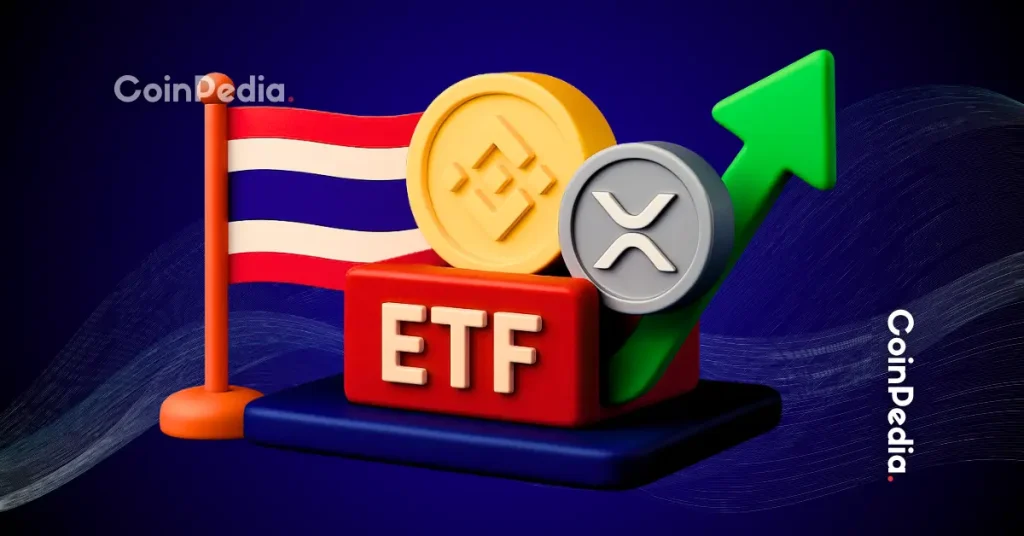 Thailand Approves Bitcoin for Derivatives Market, Crypto ETF...
 Coinbase CEO Brian Armstrong Sells $550M in Shares as COIN S...