“At a high level, all crypto has to do is upgrade to quantum-resistant algorithms. So, no need to panic,” said CZ on X on Tuesday. His comments followed the release of a research paper from Google on Monday, warning that quantum computers need far less power than originally thought to break Bitcoin and Ethereum cryptography. CZ said that it was hard to organize upgrades in a decentralized world, and that there will likely be many debates over which algorithms to use, leading to some forks. “Some dead projects may not upgrade at all,” he said, adding that it might be good to “cleanse out those projects anyway.” “Fundamentally, it’s always easier to encrypt than decrypt, more computing power is always good, [and] crypto will stay, post quantum.” Satoshi’s Coins Could be a Problem CZ questioned Satoshi’s stash of Bitcoins, an estimated 1 million BTC. “If those coins move, then it means he/she is still around, which is interesting to know,” he said. However, if they don’t move in a certain period of time, “it might be better to lock or effectively burn those addresses so that they don’t go to the first hacker who cracks it.” Google mentioned these dormant assets in its paper, stating that they were all locked behind P2PK scripts — the oldest and most quantum-vulnerable script type. P2PK scripts record the public key directly on the blockchain, meaning there is no hash protecting it. A quantum attacker wouldn’t need to wait for a transaction, as the public key is already visible and the coins are permanently exposed to “at-rest attacks.” Bitcoin research outlet TFTC also played down the Google warning, stating , “they didn’t run the attack. They published a zero-knowledge proof that their math works, then cited national security.” Current quantum computers are a factor of 100,000 below what is required to break elliptic-curve cryptography, they said. Bitcoin developers are already working on solutions such as “SHRIMPS,” which are “post-quantum signatures three times smaller than NIST standards, built for Bitcoin’s block space constraints and BIP-360 – a quantum-resistant output type already live on testnet.” Crypto entrepreneur Nic Carter disagreed , stating that “there’s no BIP, no proposed PQ [post quantum] scheme, no roadmap, and most major devs continue to deny the risk.” The Threat is Real Say Researchers Crypto venture capitalist Luke Martin found an old quote from Satoshi addressing the threat that would render BTC worthless if it happened suddenly. “If it happens gradually, we can still transition to something stronger. When you run the upgraded software for the first time, it will re-sign all your money with the new, stronger algorithm,” said Satoshi in 2010. This is the only public comment Satoshi ever made about quantum computing risk to Bitcoin Back in 2010 a user “llama” asked what would happen if signatures were compromised due to quantum computers and whether it would make BTC worthless “True, if it happened suddenly. If it… pic.twitter.com/euPn2mlRTA — Luke Martin (@VentureCoinist) March 31, 2026 Project Eleven, which has documented the quantum threat, replied that every Bitcoin user would still have to upgrade, which is the “fundamental constraint.” “Your coins are locked to an ECDSA keypair. The only way to move them to a PQ-secured output is to sign a transaction with that ECDSA key. No soft fork or protocol upgrade can do that on your behalf, as that would break the security model.” The post Don’t Panic: Here’s How Crypto Resists Quantum Risks, According to CZ appeared first on CryptoPotato .

 US SEC and CFTC Sign MoU to Coordinate Crypto Regulation and...
 Kraken Announces Pi Network Listing Ahead of Pi Day PI Price...
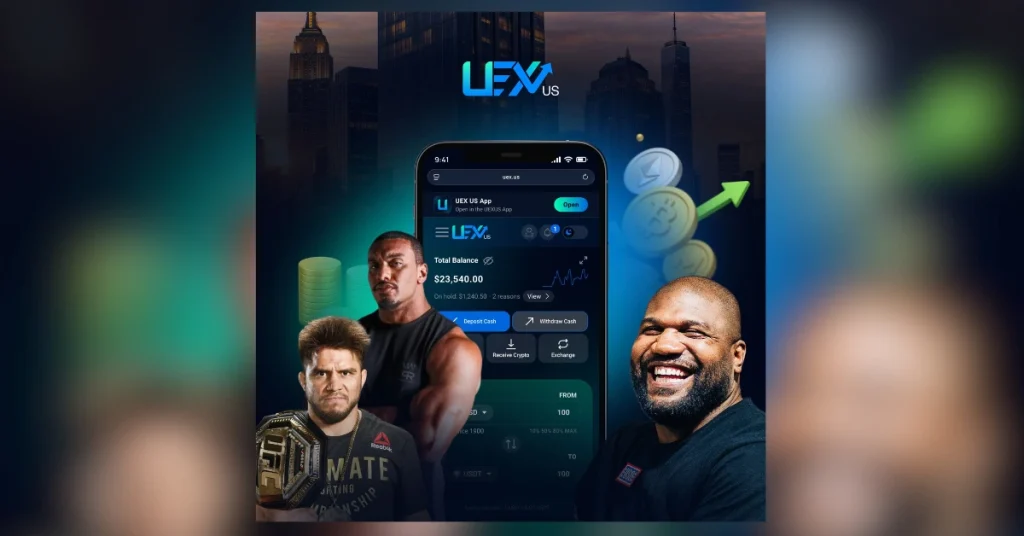 UEX US Expands Its Ecosystem: A Platform Where Digital Asset...
 XRP Price Prediction: Can Bulls Push XRP Above $2 After This...
 ETH News: Why Institutions Keep Choosing Ethereum Over Other...
 Trump-Linked WLFI Launches World Swap Forex Platform
 Thailand Approves Bitcoin for Derivatives Market, Crypto ETF...
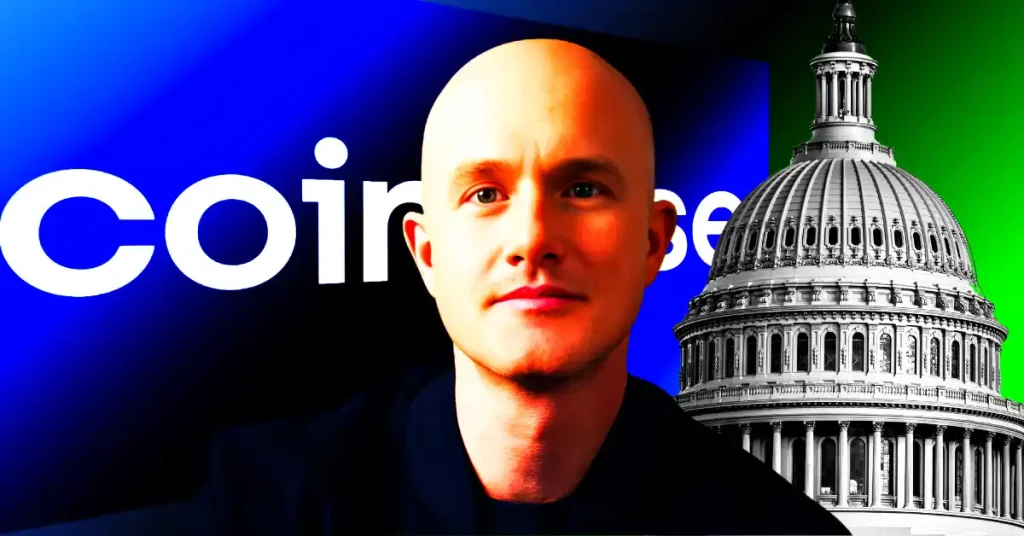 Coinbase CEO Brian Armstrong Sells $550M in Shares as COIN S...