BitcoinWorld Bitcoin Holders Display Remarkable Resilience: Short-Term Investors Show No Panic Despite Escalating Iran Tensions Global cryptocurrency markets demonstrated unexpected stability this week as short-term Bitcoin holders showed no signs of panic selling despite escalating geopolitical tensions involving Iran, according to recent blockchain data analysis from leading market intelligence platforms. This remarkable resilience in the face of traditional market stressors provides crucial insights into the evolving maturity of cryptocurrency investor behavior and market dynamics as we move through 2025. Bitcoin Holders Demonstrate Unprecedented Market Composure CryptoQuant contributor and on-chain analyst Moreno Rodriguez published detailed findings on March 15, 2025, revealing that event-sensitive short-term Bitcoin investors have shown minimal reaction to recent Middle Eastern tensions. Rodriguez’s analysis examined wallet behavior across multiple blockchain tracking platforms, focusing specifically on addresses holding Bitcoin for less than 155 days. The data revealed several key patterns: No significant sell-off spikes during peak tension periods Stable exchange inflow patterns compared to historical crisis events Consistent holding behavior across retail and smaller institutional wallets Normal transaction volumes without panic-induced acceleration This behavioral pattern represents a substantial departure from previous geopolitical crises where short-term holders typically initiated immediate sell-offs. Market analysts note this development suggests a fundamental shift in how cryptocurrency investors process and respond to external risk factors. Geopolitical Context and Historical Market Reactions The current Middle Eastern tensions began escalating in early February 2025, creating what traditional finance analysts would typically classify as a high-risk environment for volatile assets. Historical data from similar geopolitical events provides crucial context for understanding the significance of current Bitcoin holder behavior: Event Date BTC Price Reaction Short-Term Holder Behavior Russia-Ukraine Conflict Start February 2022 -15% in 48 hours Massive panic selling Middle East Tensions 2023 October 2023 -12% in 72 hours Significant sell pressure Current Iran Situation February-March 2025 -4% temporary dip Minimal reaction Bitcoin experienced a moderate decline in mid-February, temporarily testing the $63,000-$64,000 support range. However, blockchain analysts observed no clear signs of sharp stop-loss liquidations or fear-driven selling that typically characterize crisis responses. This stability occurred despite traditional safe-haven assets like gold experiencing increased volatility during the same period. Expert Analysis of Market Psychology Shifts Rodriguez suggested that this delayed or muted response may stem from market fatigue rather than an absence of concern. “Investors have experienced multiple geopolitical crises over the past three years,” he explained in his analysis. “Each event has taught the market that Bitcoin often recovers quickly from geopolitical shocks, creating a learned resilience.” Several cryptocurrency market psychologists support this interpretation, noting that repeated exposure to similar stressors can create behavioral adaptation. Dr. Elena Martinez, a behavioral economist specializing in digital assets, commented: “The cryptocurrency market is demonstrating classic signs of stress inoculation. Investors who survived previous geopolitical events have developed more sophisticated risk assessment frameworks.” Market structure changes also contribute to this stability. The increased presence of long-term institutional holders, improved derivatives market design, and more sophisticated risk management tools have collectively created a more resilient ecosystem. Additionally, the growing recognition of Bitcoin as a potential hedge against currency devaluation in certain geopolitical scenarios may be influencing holder behavior. Technical Indicators and On-Chain Metrics Multiple technical indicators support the behavioral observations. The Short-Term Holder SOPR (Spent Output Profit Ratio) remained near equilibrium levels throughout the tension period, indicating neither panic selling nor excessive profit-taking. Exchange reserves for Bitcoin showed minimal increases, suggesting holders preferred to maintain custody rather than prepare for rapid selling. Key on-chain metrics revealed: Network realized profit/loss stayed within normal ranges Exchange net flow showed slight negative bias (more withdrawals) Active addresses maintained consistent growth patterns Miner outflow remained at sustainable levels These technical factors collectively paint a picture of a market experiencing normal volatility rather than crisis conditions. The data suggests that short-term holders are increasingly viewing geopolitical events through a longer-term investment lens, potentially reflecting the growing maturity of cryptocurrency as an asset class. Broader Market Implications and Future Considerations While the current stability represents a positive development for market maturity, analysts caution against complacency. Rodriguez specifically noted that this is not an all-clear signal for cryptocurrency markets. “The absence of panic doesn’t equal immunity to risk,” he warned. “A sharp directional shift could still occur if new risk factors emerge or if current tensions escalate beyond current levels.” The cryptocurrency market now faces several critical questions regarding future risk responses: Will this resilience extend to other types of market stressors? How will regulatory developments interact with geopolitical factors? What threshold of escalation would trigger different investor behavior? How does this stability affect Bitcoin’s correlation with traditional assets? Market participants should monitor several key indicators for potential shifts in sentiment. These include changes in futures funding rates, options market skew, stablecoin supply ratios, and macroeconomic indicator correlations. Additionally, the behavior of longer-term holders during this period provides important context for understanding overall market health. Conclusion The demonstrated resilience of short-term Bitcoin holders during recent geopolitical tensions involving Iran marks a significant milestone in cryptocurrency market development. This behavior suggests evolving investor psychology, improved market structure, and growing sophistication in risk assessment among cryptocurrency participants. While analysts caution that this stability doesn’t eliminate fundamental risks, it does indicate meaningful progress toward market maturity. Bitcoin holders, particularly those with shorter investment horizons, appear to be developing more nuanced responses to external events, potentially reducing volatility spikes during future crises and contributing to the overall stabilization of digital asset markets as we progress through 2025. FAQs Q1: What defines a “short-term” Bitcoin holder in this analysis? Analysts typically classify short-term holders as addresses holding Bitcoin for 155 days or less. This timeframe captures investors who are most likely to react quickly to market events and price movements. Q2: How do analysts track Bitcoin holder behavior during geopolitical events? Researchers use on-chain analytics tools that examine wallet activity, exchange flows, transaction patterns, and movement of coins between different holder cohorts. These tools provide objective data about investor behavior regardless of market narratives. Q3: Why might cryptocurrency investors be less reactive to geopolitical tensions now compared to previous years? Several factors contribute: market fatigue from repeated crises, improved investor education, better risk management tools, increased institutional participation, and growing recognition that Bitcoin often recovers quickly from geopolitical shocks. Q4: Does this stability mean Bitcoin is becoming a safe-haven asset like gold? Not necessarily. While the reduced panic selling is notable, Bitcoin’s volatility remains higher than traditional safe havens. The current behavior suggests evolving market maturity rather than a complete transformation into a conventional safe-haven asset. Q5: What should investors watch for to detect potential changes in this stable behavior pattern? Key indicators include sudden increases in exchange deposits, spikes in network transaction fees, abnormal options market activity, changes in futures funding rates, and deviations from normal on-chain movement patterns between wallet cohorts. This post Bitcoin Holders Display Remarkable Resilience: Short-Term Investors Show No Panic Despite Escalating Iran Tensions first appeared on BitcoinWorld .

 US SEC and CFTC Sign MoU to Coordinate Crypto Regulation and...
 Kraken Announces Pi Network Listing Ahead of Pi Day PI Price...
 UEX US Expands Its Ecosystem: A Platform Where Digital Asset...
 XRP Price Prediction: Can Bulls Push XRP Above $2 After This...
 ETH News: Why Institutions Keep Choosing Ethereum Over Other...
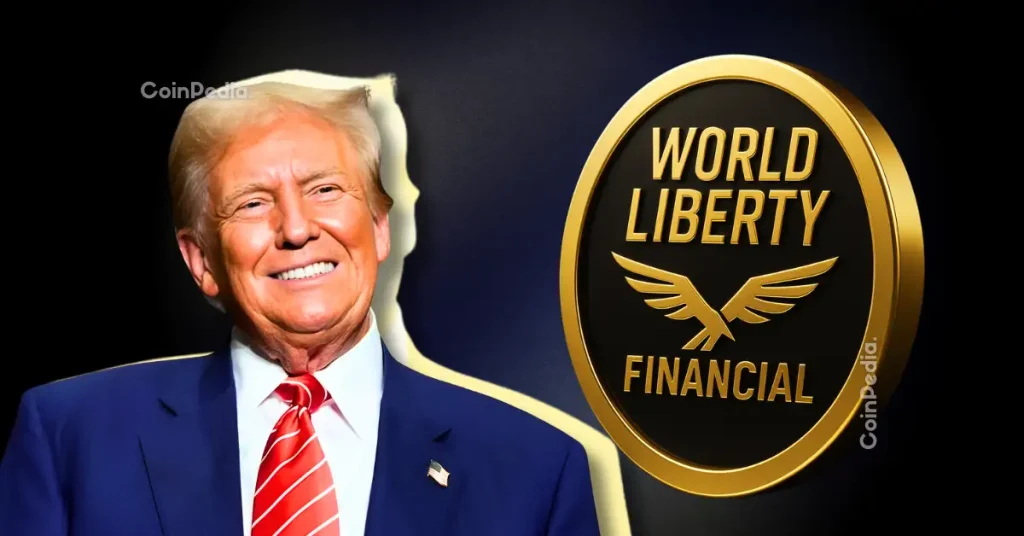 Trump-Linked WLFI Launches World Swap Forex Platform
 Thailand Approves Bitcoin for Derivatives Market, Crypto ETF...
 Coinbase CEO Brian Armstrong Sells $550M in Shares as COIN S...