BitcoinWorld Coinbase Delisting 25 Perpetual Futures Contracts: A Strategic Shift in Crypto Derivatives In a significant move affecting cryptocurrency derivatives markets, Coinbase International Exchange announced on March 14, 2025, that it will delist 25 perpetual futures contracts at precisely 12:00 p.m. UTC on March 16. This strategic decision impacts contracts including MET, REZ, BABY, SUPER, SUSHI, GMX, ERA, XAN, VINE, T, YB, WCT, HOME, NOT, MINA, CATI, DOGS, COW, GRT, DRIFT, COOKIE, ARKM, B3, SXT, and BB. The announcement follows increased regulatory scrutiny and evolving market conditions that have reshaped crypto derivatives trading globally. Understanding Coinbase’s Perpetual Futures Delisting Decision Coinbase International Exchange operates as a separate entity from Coinbase’s primary spot trading platform. Consequently, this delisting specifically affects the perpetual futures products available to eligible non-U.S. customers. The exchange typically evaluates trading pairs based on several key metrics including trading volume, liquidity, and regulatory compliance requirements. Furthermore, market surveillance data and user protection considerations frequently influence these decisions. Industry analysts note that exchange delistings have become more common as regulatory frameworks mature globally. The affected contracts represent approximately 15% of Coinbase International’s perpetual futures offerings. Most notably, this represents the largest single delisting event for the platform since its derivatives launch in 2023. Exchange representatives cited “ongoing review of our markets to ensure quality and compliance” as the primary rationale. Additionally, they emphasized their commitment to maintaining “a healthy and compliant trading environment” for all users. Detailed Analysis of Affected Trading Contracts The delisted contracts span multiple cryptocurrency categories and market capitalizations. For instance, SUSHI and GMX represent decentralized exchange tokens, while GRT serves as a blockchain indexing protocol. Meanwhile, MINA represents a lightweight blockchain protocol. This diverse selection suggests Coinbase employed comprehensive evaluation criteria rather than targeting specific token categories. The exchange provided a clear timeline for the delisting process, allowing traders adequate preparation time. Selected Affected Contracts and Their Categories Contract Symbol Primary Category Approximate Market Cap SUSHI DeFi/DEX $400 million GRT Infrastructure $2.1 billion MINA Layer-1 Protocol $800 million GMX DeFi/Perpetuals $300 million Traders holding positions in these contracts received specific instructions from Coinbase. The exchange mandated position closure before the deadline to avoid automatic liquidation. Moreover, the platform disabled new position openings immediately following the announcement. This proactive approach aimed to minimize market disruption and protect user funds. Historical data shows similar delisting events typically cause temporary volatility in affected assets. Regulatory Context and Market Implications The 2025 cryptocurrency regulatory landscape has evolved significantly since previous years. Specifically, the Markets in Crypto-Assets (MiCA) regulations in Europe and enhanced guidelines from global standard-setters have increased compliance requirements. Consequently, exchanges now face greater pressure to streamline their offerings. Coinbase’s decision aligns with broader industry trends toward consolidation and compliance. Multiple exchanges have reduced their derivatives offerings throughout early 2025. Market impact analysis reveals several important patterns. First, trading volume typically migrates to remaining available contracts or alternative platforms. Second, affected tokens often experience increased volatility around delisting dates. Third, liquidity fragmentation can occur temporarily until markets stabilize. However, experienced traders generally adapt quickly to these changes. The cryptocurrency derivatives market has demonstrated remarkable resilience throughout previous delisting cycles. Comparative Analysis with Other Major Exchanges Binance, Bybit, and OKX maintain larger perpetual futures offerings than Coinbase International. However, these platforms have also conducted regular contract reviews and delistings throughout 2024-2025. For example, Binance delisted 17 perpetual contracts in January 2025 citing similar reasons. This industry-wide trend reflects maturing market structures and regulatory alignment. Exchange operators increasingly prioritize sustainable growth over expansive but illiquid offerings. Volume Requirements: Most exchanges mandate minimum daily trading volumes Liquidity Thresholds: Adequate market depth remains essential for derivatives Regulatory Compliance: Evolving rules necessitate ongoing contract reviews User Protection: Exchanges remove high-risk or manipulated contracts Market Quality: Concentrated liquidity improves overall trading experience Coinbase’s approach appears more conservative than some competitors. The exchange has historically maintained stricter listing standards for both spot and derivatives markets. This conservative stance aligns with their public commitment to regulatory compliance and institutional adoption. While potentially limiting short-term growth, this strategy may enhance long-term platform stability and trust. Technical Execution and Trader Guidance The delisting process follows established technical protocols. At the specified time, matching engines will disable the affected contracts. Subsequently, open interest will decline to zero as positions close or settle. The exchange’s risk management systems monitor this process continuously. Traders received multiple notifications through official channels including email, platform announcements, and support documentation. Professional traders recommend several precautionary measures. First, users should close positions well before deadlines to avoid last-minute congestion. Second, they should monitor alternative venues for continued exposure if desired. Third, they should review tax implications of forced position closures. Finally, they should adjust trading strategies to account for reduced available instruments. These practical steps help mitigate potential negative impacts. Historical Precedents and Market Adaptation Previous delisting events provide valuable insights into market behavior. In 2024, multiple exchanges removed approximately 10% of their derivatives offerings collectively. Market analysis shows most affected tokens recovered within two to three weeks following initial volatility. Liquidity typically migrated to remaining trading pairs rather than disappearing entirely. This historical context suggests the current Coinbase delisting will follow similar patterns. The cryptocurrency derivatives market has grown increasingly sophisticated. Market makers and institutional participants now employ advanced hedging strategies across multiple venues. Consequently, single-exchange delistings cause less disruption than in earlier market phases. This maturation reflects the broader financialization of digital assets. Industry observers view these consolidation phases as natural market evolution rather than negative developments. Future Outlook for Crypto Derivatives Markets The derivatives segment continues evolving toward institutional-grade products. Regulated perpetual contracts and options gain market share throughout 2025. Simultaneously, decentralized derivatives platforms experience growth despite smaller overall volumes. This diversification creates a more resilient ecosystem. Exchange delistings represent one aspect of this ongoing maturation process. Coinbase will likely continue periodic reviews of its derivatives offerings. The exchange may introduce new contracts while removing underperforming ones. This dynamic approach helps maintain market quality amid changing conditions. Traders should anticipate similar events approximately quarterly based on historical patterns. Developing flexible trading strategies remains essential in this evolving landscape. Conclusion Coinbase’s decision to delist 25 perpetual futures contracts reflects strategic adjustments to regulatory requirements and market conditions. This Coinbase delisting event follows industry trends toward consolidation and compliance. Affected traders have adequate time to adjust positions before the March 16 deadline. The cryptocurrency derivatives market continues maturing through such periodic optimizations. Market participants should monitor official communications and adapt strategies accordingly as the ecosystem evolves toward greater stability and institutional participation. FAQs Q1: What happens to my open positions in delisted contracts? Coinbase will automatically close all remaining positions at the delisting time. Traders should close positions manually before the deadline to control execution prices. Q2: Can I still trade these tokens on Coinbase’s spot market? This delisting only affects perpetual futures contracts on Coinbase International Exchange. Spot trading availability depends on separate evaluations for each token. Q3: Why did Coinbase select these specific contracts for delisting? The exchange evaluates multiple factors including trading volume, liquidity, regulatory compliance, and market quality. Underperforming contracts across these metrics typically face removal. Q4: Will Coinbase add new perpetual contracts to replace these? Exchange representatives indicate they continuously evaluate new listings. However, they prioritize quality over quantity in derivatives offerings. Q5: How does this affect the underlying token prices? Historical data shows temporary volatility often occurs around delisting events. However, fundamental value typically determines long-term price movements rather than single-exchange availability. This post Coinbase Delisting 25 Perpetual Futures Contracts: A Strategic Shift in Crypto Derivatives first appeared on BitcoinWorld .

 US SEC and CFTC Sign MoU to Coordinate Crypto Regulation and...
 Kraken Announces Pi Network Listing Ahead of Pi Day PI Price...
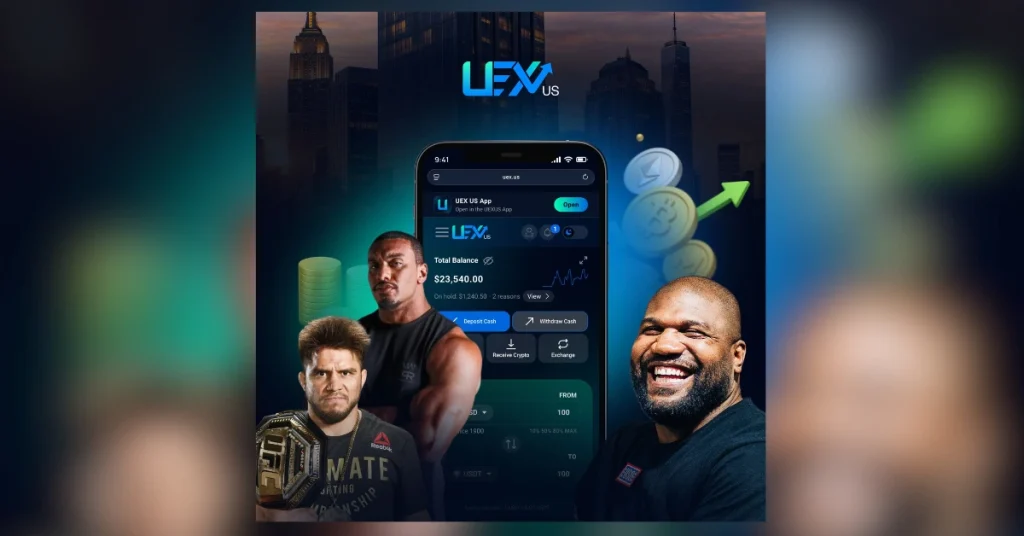 UEX US Expands Its Ecosystem: A Platform Where Digital Asset...
 XRP Price Prediction: Can Bulls Push XRP Above $2 After This...
 ETH News: Why Institutions Keep Choosing Ethereum Over Other...
 Trump-Linked WLFI Launches World Swap Forex Platform
 Thailand Approves Bitcoin for Derivatives Market, Crypto ETF...
 Coinbase CEO Brian Armstrong Sells $550M in Shares as COIN S...