BitcoinWorld US Dollar Index Plummets Below 100.00 as Trump’s Surprising Remarks Fuel Market Optimism NEW YORK, March 2025 – The US Dollar Index (DXY), a critical benchmark measuring the dollar’s strength against a basket of six major currencies, has sustained trading below the psychologically significant 100.00 level. This persistent weakness follows a series of public remarks from former President Donald Trump that analysts widely interpret as bolstering global risk appetite, thereby diminishing the dollar’s traditional safe-haven appeal. US Dollar Index Breakdown and Technical Context The DXY’s decline below 100.00 marks a pivotal technical and psychological threshold for currency traders. Consequently, market participants are closely monitoring support levels not seen in several months. The index, which heavily weights the Euro (EUR), Japanese Yen (JPY), and British Pound (GBP), reflects broader capital flows. Specifically, a lower DXY often signals increased investor confidence in global growth prospects, leading to capital deployment into higher-yielding, riskier assets outside the United States. Historically, the 100.00 level has acted as a major inflection point. For instance, breaching this level to the downside in past cycles has frequently preceded extended periods of dollar softness. Moreover, current options market data shows a notable skew toward further dollar weakness, with put option volume rising significantly. This sentiment shift is directly attributable to changing perceptions of geopolitical and economic stability. Trump’s Remarks and the Risk Appetite Catalyst Former President Trump’s recent comments, delivered during a major policy address, focused on trade de-escalation and potential frameworks for international cooperation. Market analysts immediately parsed his language for implications on global trade tensions and growth. Significantly, his tone was perceived as less confrontational than expected, reducing immediate fears of disruptive trade policies. As a result, the risk-on sentiment surged across financial markets. Global equity indices rallied, and capital flowed out of traditional safe-haven assets like the US Treasury bonds and the dollar. This dynamic is a classic example of a risk appetite-driven currency move . When investors feel optimistic about global prospects, they often sell lower-yielding safe-haven currencies to buy assets in emerging markets or other growth-sensitive regions. Expert Analysis on Geopolitical Impact Dr. Anya Sharma, Chief Strategist at Global Macro Advisors, provided context: “Political rhetoric from key US figures has an outsized impact on currency valuations. Remarks perceived as reducing geopolitical friction can act as a powerful catalyst. The market’s reaction shows that participants are pricing in a lower probability of near-term trade disruptions, which historically benefit the dollar’s safe-haven status.” Sharma further notes that the dollar’s reaction is consistent with historical patterns following similar geopolitical de-escalation signals. The timeline of events is crucial. The DXY began its descent shortly after the remarks were disseminated by major news wires. Within hours, the euro and pound gained over 0.8% against the dollar. This rapid movement underscores the sensitivity of forex markets to political developments. Furthermore, the Swiss Franc and Japanese Yen, other traditional havens, also weakened, confirming a broad-based risk-on shift rather than a dollar-specific issue. Broader Market Impacts and Federal Reserve Implications The dollar’s weakness transmits through several key channels in the global economy. A weaker dollar makes US exports more competitive, potentially boosting corporate earnings for multinational companies. Conversely, it increases the cost of imports, which could have nuanced effects on domestic inflation readings. The Federal Reserve monitors the DXY as part of its financial conditions assessment. Current market pricing now suggests a marginally lower path for future US interest rates. A softer dollar, if sustained, could ease financial conditions, potentially giving the Federal Reserve more flexibility in its monetary policy timeline. The following table summarizes the immediate forex market moves against the USD following the catalyst: Currency Pair Change vs. USD Key Level Breached EUR/USD +0.85% 1.0900 GBP/USD +0.82% 1.2800 USD/JPY +0.70% 148.50 AUD/USD +1.10% 0.6650 Additionally, commodity prices, particularly gold and oil which are priced in dollars, often see upward pressure when the dollar weakens. Early trading data confirms this correlation, with spot gold rising approximately 1.2% in the session. This interconnected reaction highlights the dollar’s central role in global asset pricing. Conclusion The US Dollar Index holding below the 100.00 level serves as a clear market signal. It reflects a tangible shift in investor sentiment driven by political developments that enhance global risk appetite. While short-term volatility is expected, the sustained breach of this key level suggests a reevaluation of the dollar’s near-term trajectory. Market participants will now watch for confirmation in upcoming economic data and any further political commentary that could either reinforce or reverse this newfound optimism. The interplay between geopolitics, central bank policy, and currency valuations remains a dominant theme for 2025. FAQs Q1: What is the US Dollar Index (DXY)? The US Dollar Index is a measure of the value of the United States dollar relative to a basket of six major world currencies: the Euro, Japanese Yen, British Pound, Canadian Dollar, Swedish Krona, and Swiss Franc. It provides a broad indication of the dollar’s international strength. Q2: Why does risk appetite weaken the US dollar? The US dollar is considered a safe-haven currency. When global risk appetite is high, investors move capital out of safe assets like the dollar and US Treasuries and into higher-risk, higher-return investments like global equities or emerging market assets, reducing demand for the dollar. Q3: How significant is the 100.00 level for the DXY? The 100.00 level is a major psychological and technical benchmark. Historically, sustained movement above or below this level has often signaled a medium-term trend change in the dollar’s overall valuation against its major peers. Q4: Can political remarks alone move currency markets this much? Yes, especially when they come from influential figures and alter market perceptions of future policy, trade, or growth. Currency markets are highly sensitive to changes in expected geopolitical and economic conditions, which directly impact capital flows. Q5: What are the implications of a weaker US Dollar Index for Americans? A weaker dollar can make imported goods more expensive, potentially contributing to inflation. However, it also makes US exports cheaper for foreign buyers, which can benefit US manufacturers and companies with large international sales. This post US Dollar Index Plummets Below 100.00 as Trump’s Surprising Remarks Fuel Market Optimism first appeared on BitcoinWorld .

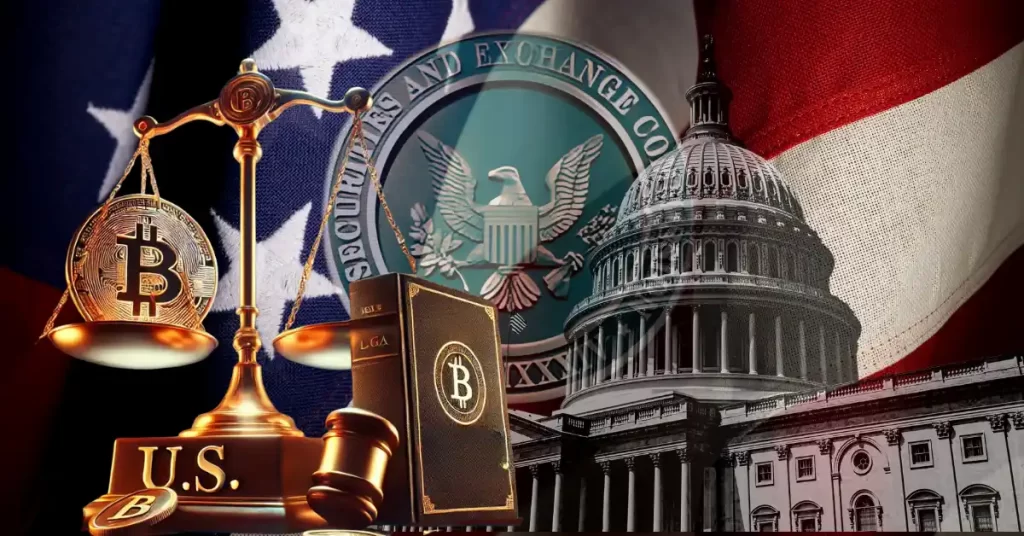 US SEC and CFTC Sign MoU to Coordinate Crypto Regulation and...
 Kraken Announces Pi Network Listing Ahead of Pi Day PI Price...
 UEX US Expands Its Ecosystem: A Platform Where Digital Asset...
 XRP Price Prediction: Can Bulls Push XRP Above $2 After This...
 ETH News: Why Institutions Keep Choosing Ethereum Over Other...
 Trump-Linked WLFI Launches World Swap Forex Platform
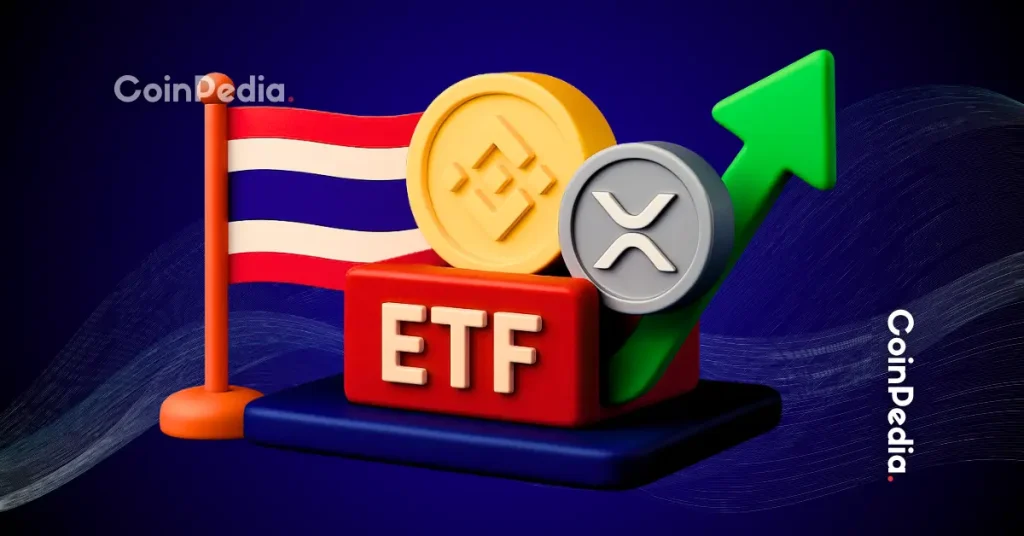 Thailand Approves Bitcoin for Derivatives Market, Crypto ETF...
 Coinbase CEO Brian Armstrong Sells $550M in Shares as COIN S...