BitcoinWorld Eurozone Inflation Sparks Critical ECB Rate Repricing – DBS Analysis Reveals Shifting Landscape FRANKFURT, March 2025 – Recent Eurozone inflation data has triggered significant repricing of European Central Bank interest rate expectations, according to analysis from DBS Bank. This development marks a pivotal moment for monetary policy across the 20-nation currency bloc as economists reassess the trajectory of borrowing costs. Eurozone Inflation Data Sparks ECB Policy Reassessment January 2025 inflation figures from Eurostat revealed persistent price pressures that exceeded market forecasts. Consequently, financial markets have rapidly adjusted their expectations for ECB monetary policy decisions throughout 2025. The core inflation measure, which excludes volatile food and energy prices, remained particularly stubborn above the ECB’s 2% target. DBS economists note this data has fundamentally altered the interest rate outlook. Previously, markets anticipated gradual rate cuts beginning in the second quarter. However, current pricing now suggests a more cautious approach from the ECB Governing Council. This shift reflects growing concerns about embedded inflation expectations across the Eurozone economy. Understanding the ECB Rate Repricing Mechanism Rate repricing occurs when financial markets adjust their expectations for future central bank policy actions. This process directly influences bond yields, currency valuations, and borrowing costs across the economy. The recent inflation data has caused traders to reduce their bets on imminent ECB rate cuts substantially. Several key factors drive this repricing: Services inflation persistence: Price increases in services sectors remain elevated Wage growth momentum: Labor costs continue rising above productivity gains Energy price volatility: Geopolitical tensions affect energy market stability Food price pressures: Agricultural commodity markets face supply constraints Market-implied probabilities for ECB rate decisions have shifted dramatically. The table below illustrates these changes: Timeframe Previous Expectation Current Pricing March 2025 Meeting 25% chance of cut 5% chance of cut June 2025 Meeting 75% chance of cut 40% chance of cut Total 2025 Cuts 100 basis points 50 basis points DBS Analysis on Monetary Policy Transmission DBS economists emphasize the importance of policy transmission mechanisms during this repricing period. The bank’s research indicates that financial conditions have tightened automatically as markets adjust rate expectations. This automatic tightening provides the ECB with additional policy flexibility. Furthermore, the euro has appreciated against major currencies following the inflation data release. This currency strength provides imported disinflation, partially offsetting domestic price pressures. However, it also presents challenges for Eurozone exporters competing in global markets. Historical Context of ECB Policy Shifts The current repricing episode follows a period of unprecedented monetary tightening. Between July 2022 and September 2023, the ECB raised its main refinancing rate from 0% to 4.5%. This aggressive hiking cycle represented the fastest monetary policy normalization in the institution’s history. Historical analysis reveals that inflation surprises often trigger significant market repricing. The 2011 ECB rate hike reversal and the 2019 policy pivot both followed similar patterns. In each case, incoming data forced rapid reassessment of established policy narratives. Current developments differ from previous episodes in several important ways: The Eurozone faces simultaneous supply and demand-side inflation pressures Digital transformation affects price measurement and transmission mechanisms Climate transition policies introduce new inflationary dynamics Geopolitical fragmentation affects global trade patterns Regional Divergence Within the Eurozone Inflation dynamics vary significantly across Eurozone member states. Southern European nations generally experience higher inflation rates than their northern counterparts. This divergence complicates the ECB’s single monetary policy framework. National central bank governors bring these regional perspectives to ECB Governing Council discussions. Consequently, policy decisions must balance competing national interests while maintaining price stability for the entire currency union. Market Implications of Revised Rate Expectations Financial markets have responded to the repricing with increased volatility. Government bond yields across the Eurozone have risen, particularly at the short end of the yield curve. Equity markets have shown sector-specific reactions, with financial stocks benefiting from improved net interest margin prospects. The banking sector analysis reveals important transmission channels. Higher-for-longer rate expectations improve bank profitability through wider lending spreads. However, they also increase credit risks as borrowing costs remain elevated for businesses and households. Corporate financing conditions have tightened accordingly. Investment decisions requiring debt financing face higher hurdle rates. This dynamic particularly affects capital-intensive sectors like manufacturing and infrastructure development. Global Central Bank Policy Coordination The ECB operates within a global monetary policy landscape. The Federal Reserve’s decisions significantly influence Eurozone financial conditions through dollar liquidity and capital flow channels. Similarly, Bank of England policies affect European markets through trade and investment linkages. Current divergence between major central banks presents both challenges and opportunities. The ECB must consider external policy developments while maintaining its price stability mandate. This balancing act requires careful communication and strategic policy implementation. Conclusion Eurozone inflation data has triggered substantial ECB rate repricing, with DBS analysis highlighting the shifting monetary policy landscape. The persistence of core inflation pressures suggests a more gradual normalization path than previously anticipated. Financial markets continue adjusting to this new reality, with implications for borrowing costs, currency valuations, and economic growth across the currency union. The ECB faces complex decisions balancing inflation control against economic stability concerns throughout 2025. FAQs Q1: What does ECB rate repricing mean for consumers? Rate repricing affects consumer borrowing costs for mortgages, car loans, and credit cards. Higher expected rates typically translate to increased interest expenses for new loans and variable-rate debt. Q2: How does inflation data influence ECB decisions? The ECB’s primary mandate is price stability. Persistent inflation above the 2% target typically delays rate cuts or prompts consideration of additional tightening measures. Q3: What is the difference between headline and core inflation? Headline inflation includes all price changes, while core inflation excludes volatile food and energy components. The ECB focuses on core inflation for policy decisions as it better reflects underlying price trends. Q4: How do financial markets price future ECB rates? Markets use interest rate derivatives, particularly overnight index swaps, to derive implied probabilities for future ECB policy decisions based on current economic data and projections. Q5: What role does the ECB Governing Council play in rate decisions? The 26-member Governing Council, comprising executive board members and national central bank governors, makes monetary policy decisions by majority vote based on economic analysis and inflation forecasts. This post Eurozone Inflation Sparks Critical ECB Rate Repricing – DBS Analysis Reveals Shifting Landscape first appeared on BitcoinWorld .

 US SEC and CFTC Sign MoU to Coordinate Crypto Regulation and...
 Kraken Announces Pi Network Listing Ahead of Pi Day PI Price...
 UEX US Expands Its Ecosystem: A Platform Where Digital Asset...
 XRP Price Prediction: Can Bulls Push XRP Above $2 After This...
 ETH News: Why Institutions Keep Choosing Ethereum Over Other...
 Trump-Linked WLFI Launches World Swap Forex Platform
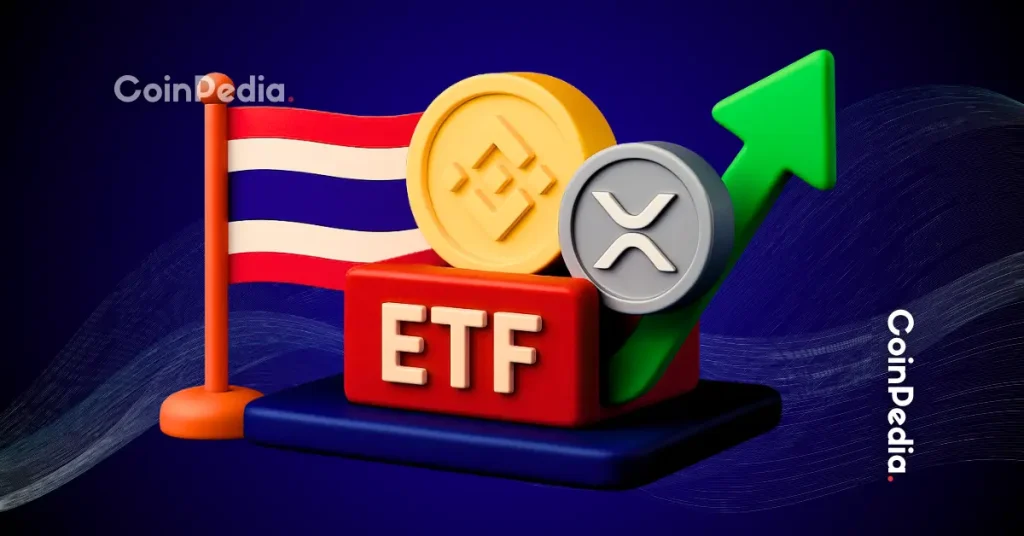 Thailand Approves Bitcoin for Derivatives Market, Crypto ETF...
 Coinbase CEO Brian Armstrong Sells $550M in Shares as COIN S...