For years, PR success has been measured by one question: Did you land a Tier-1 publication? It’s a seductive benchmark. Big names. Massive traffic. Instant credibility. And increasingly—it’s the wrong goal. In 2026, chasing Tier-1 media without questioning its actual impact is one of the most expensive mistakes PR teams still make. Because popularity is easy to see, but impact is harder to measure. The Illusion of Tier-1 Value Tier-1 media promises scale. But scale does not guarantee results. A feature in a major outlet can deliver: broad but irrelevant reach low engagement despite high impressions minimal secondary coverage zero influence on your actual target audience Meanwhile, a smaller, specialized publication can outperform it across every meaningful dimension—simply because it reaches the right people. The problem is structural: Tier-1 status is based on visibility, not performance. For example, Cointelegraph, which is recognized as tier-1 media among crypto outlets, unexpectedly suffered a 80% plunge in traffic in Q4 2025. PR’s Legacy Bias: Visibility Over Outcomes The industry still operates on outdated signals: brand recognition of the outlet traffic estimates domain authority historical prestige These metrics are easy to communicate internally. They look impressive in reports. But they rarely answer the only question that matters: What did this placement actually achieve? This is why so many campaigns look successful on paper—and underperform in reality. Impact Is What Happens After Publication Modern media value is defined by downstream effects, not initial exposure. A high-impact placement does more than “exist”: it gets picked up by other outlets it influences how a topic is framed it reaches decision-makers, not just readers it appears in AI-generated summaries and answers it continues to generate visibility beyond the original article None of this is captured by traffic alone. And yet, traffic remains the dominant selection criterion. The Hidden Cost of Popularity-Driven Strategy Choosing media based on popularity leads to predictable inefficiencies: Budget wastePaying premium rates for placements that do not convert into influence. Misaligned targetingReaching large audiences that have no relevance to your goals. Unclear attributionInability to explain why certain placements worked—or didn’t. Strategic fragilityDecisions that cannot be justified beyond “it’s a big name.” This is not just a measurement problem. It’s a strategy problem. Why Most Teams Stay Stuck If the limitations are so clear, why does the industry keep chasing Tier-1? Because the alternatives are harder. Evaluating real impact requires: multiple data sources consistent methodology contextual understanding of media ecosystems Most teams don’t have that infrastructure. So they default to what’s visible—and defensible on the surface. From Popularity to Performance A more effective approach starts with reframing the core question: Not “How big is this outlet?”But “What role will this outlet play in our strategy?” That role can vary: driving awareness influencing industry narratives improving SEO positioning reaching niche decision-makers generating secondary coverage Different outlets excel at different functions. Few excel at all of them. What is Data-Driven Media Selection To choose based on impact, teams need to evaluate outlets across multiple dimensions: audience relevance (not just size) engagement behavior syndication and redistribution patterns influence within the media network visibility in AI and LLM-driven discovery This is where traditional tools fall short—they measure fragments, not systems. Outset Media Index (OMI) was built specifically to address this gap. Instead of relying on scattered metrics, OMI consolidates media data into a unified analytical framework, enabling objective comparison across outlets. By analysing performance across more than 37 normalized indicators—ranging from engagement to LLM visibility—it allows teams to identify which publications actually generate measurable impact. The result: media selection becomes a strategic decision, not a reputational shortcut. Influence vs. Impressions One of the most overlooked distinctions in PR is this: Impressions are immediate. Influence compounds. A Tier-1 placement may generate a spike in visibility. But an influential outlet can: trigger follow-up coverage shape ongoing discussions become a reference point in future narratives These effects extend far beyond the initial publication window—and often deliver significantly higher ROI. The Shift Already Happening The industry is slowly moving toward: measurable outcomes over vanity metrics structured analysis over fragmented data repeatable strategy over one-off wins Tools like OMI—and analytical layers like Outset Data Pulse —are accelerating this shift by making media performance comparable, contextualized, and actionable. The question is no longer whether this transition will happen. It’s whether teams will adapt before their budgets—and credibility—are affected. Conclusion: Stop Buying Visibility, Start Engineering Impact Tier-1 media is not irrelevant. But it is no longer sufficient. A defensible media strategy in 2026 is not built on recognizable names—it is built on measurable outcomes. That requires a shift: from popularity → performance from exposure → influence from assumption → analysis Because the most valuable media placement is not the one everyone recognizes but the one that actually moves the needle. Disclaimer: This article is provided for informational purposes only. It is not offered or intended to be used as legal, tax, investment, financial, or other advice. FAQ What is Tier-1 media?Traditionally, large, high-traffic publications considered prestigious or authoritative. Why is Tier-1 media no longer enough?Because it measures visibility, not impact—high reach does not guarantee engagement or influence. What should replace popularity-based media selection?A data-driven approach evaluating engagement, audience relevance, syndication, and influence. How does OMI change media selection?It provides a unified framework with 37+ metrics to compare outlets based on real performance, not perception. Is smaller media better than Tier-1?Not inherently—but in many cases, niche or influential outlets deliver higher impact for specific goals.

 US SEC and CFTC Sign MoU to Coordinate Crypto Regulation and...
 Kraken Announces Pi Network Listing Ahead of Pi Day PI Price...
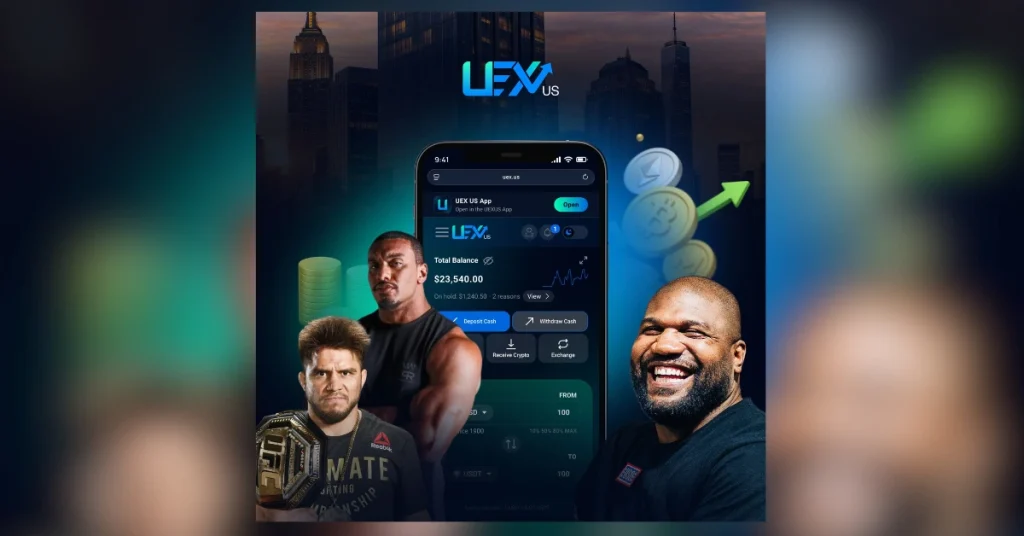 UEX US Expands Its Ecosystem: A Platform Where Digital Asset...
 XRP Price Prediction: Can Bulls Push XRP Above $2 After This...
 ETH News: Why Institutions Keep Choosing Ethereum Over Other...
 Trump-Linked WLFI Launches World Swap Forex Platform
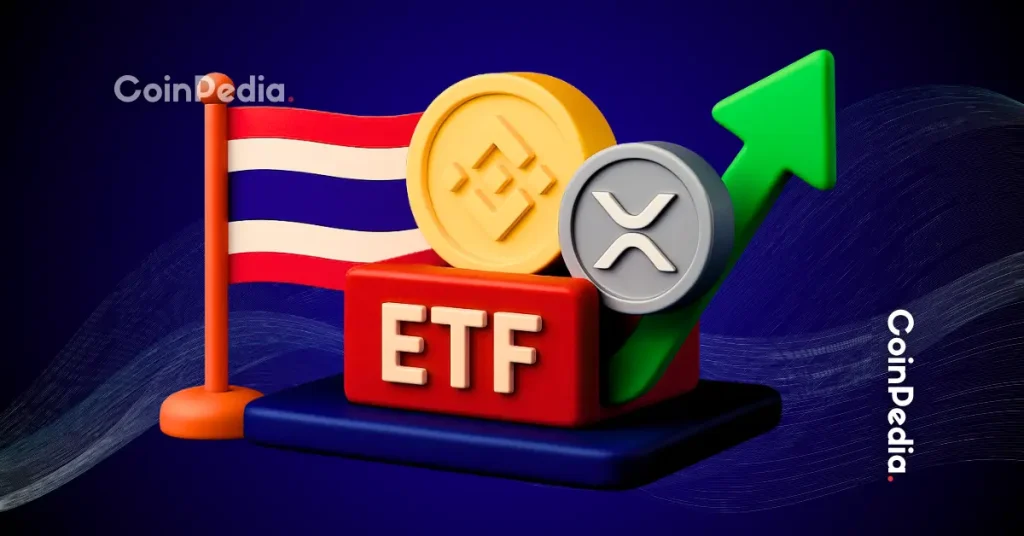 Thailand Approves Bitcoin for Derivatives Market, Crypto ETF...
 Coinbase CEO Brian Armstrong Sells $550M in Shares as COIN S...