BitcoinWorld Strait of Hormuz Crisis: Iranian Official Declares Permanent Transformation in Alarming Statement TEHRAN, Iran – March 2025: A senior Iranian official has delivered a stark declaration that the strategic Strait of Hormuz will never return to its pre-conflict status, signaling what experts describe as a permanent transformation of one of the world’s most critical maritime corridors. Sadegh Larijani, Chairman of Iran’s Expediency Discernment Council, made this definitive statement through social media channels yesterday, framing the situation as part of a broader global power rebalancing. Strait of Hormuz Enters New Geopolitical Phase Sadegh Larijani’s statement represents more than routine political rhetoric. The Strait of Hormuz serves as the world’s most important oil transit chokepoint, with approximately 21 million barrels of oil passing through daily. This volume represents about 21% of global petroleum liquids consumption. Furthermore, the waterway handles about one-third of the world’s liquefied natural gas trade. Larijani emphasized that regional changes have moved beyond traditional warfare into what he termed “a critical phase of reshaping the global order.” Historical context reveals the waterway’s longstanding strategic importance. The 21-mile wide strait separates Iran from Oman and connects the Persian Gulf with the Gulf of Oman and the Arabian Sea. Since the 1980s, tensions have periodically escalated around this passage. Notably, during the 1980-1988 Iran-Iraq War, both nations attacked oil tankers in what became known as the “Tanker War.” More recently, incidents in 2019, 2021, and 2023 demonstrated the persistent volatility of this critical corridor. Iran’s Strategic Calculations and Regional Dynamics Larijani’s declaration follows months of escalating regional tensions and comes from a figure with significant political lineage. As brother of the late former Supreme National Security Council Secretary Ali Larijani, his statements carry substantial weight within Iran’s complex power structure. The Expediency Discernment Council he chairs serves as an advisory body to Iran’s Supreme Leader, responsible for resolving conflicts between parliament and the Guardian Council. Several key factors shape Iran’s current position: Economic Leverage: Control over the strait provides Iran with substantial economic leverage, particularly as global energy markets remain sensitive to supply disruptions. Military Posturing: Iran has developed asymmetric naval capabilities specifically designed for the strait’s narrow geography, including fast attack craft, anti-ship missiles, and naval mines. Diplomatic Positioning: The statement arrives amid ongoing negotiations regarding regional security arrangements and nuclear program limitations. Global Shipping and Energy Security Implications The permanent transformation of the Strait of Hormuz carries profound implications for global commerce. Approximately 30% of the world’s seaborne traded oil passes through this narrow passage. Major economies including China, Japan, India, and South Korea depend heavily on these energy shipments. Insurance premiums for vessels transiting the area have already increased by 300-400% since 2023, according to maritime insurance data. Shipping companies have implemented several adaptive measures: Adaptation Measure Implementation Status Impact on Costs Enhanced Security Protocols Widely adopted since 2024 +15-25% operational costs Alternative Route Planning Limited feasibility due to geography +40-60% for viable alternatives Increased Insurance Coverage Mandatory for most carriers +300-400% premium increases International Response and Security Considerations The United States Fifth Fleet, based in Bahrain, maintains a continuous presence in the region. This fleet typically includes aircraft carriers, destroyers, and other vessels specifically tasked with ensuring freedom of navigation. However, Larijani’s warning against “futile actions” suggests Iran views traditional military responses as increasingly ineffective in the current strategic environment. Regional powers have developed varying approaches to the strait’s security. Saudi Arabia and the United Arab Emirates have invested heavily in pipeline infrastructure to bypass the waterway partially. The UAE’s Habshan-Fujairah pipeline can transport approximately 1.5 million barrels per day, while Saudi Arabia’s East-West Pipeline carries about 5 million barrels daily to Red Sea ports. These alternatives provide some buffer against complete closure but cannot replace the strait’s capacity. European and Asian nations have pursued diplomatic channels while simultaneously increasing strategic petroleum reserves. Japan, for instance, maintains approximately 90 days of oil consumption in reserve, while China has accelerated development of its strategic petroleum reserve program. These measures aim to cushion against potential supply disruptions from the critical waterway. Historical Precedents and Future Scenarios The current situation echoes historical patterns while presenting novel challenges. During the 1980s Tanker War, the United States initiated Operation Earnest Will to protect Kuwaiti tankers. This operation involved reflagging vessels and providing naval escorts. Today’s environment differs significantly due to technological advancements in missile systems, drone capabilities, and cyber warfare potential. Several plausible scenarios could emerge from the current declaration: Managed Tension: Continued high-alert status with periodic incidents but no full-scale conflict New Security Architecture: Development of regional security agreements involving multiple stakeholders Technological Adaptation: Increased investment in alternative energy and transportation technologies reducing strait dependence Energy analysts note that global oil markets have shown remarkable resilience to regional disruptions in recent years. The development of U.S. shale production, increased renewable energy adoption, and improved energy efficiency have collectively reduced the global economy’s sensitivity to Middle East supply shocks. However, sudden disruptions still trigger significant price volatility and economic uncertainty. Conclusion The Strait of Hormuz stands at a historical inflection point, with Iranian officials declaring its permanent transformation from pre-conflict conditions. This critical maritime chokepoint’s evolving status reflects broader shifts in global power dynamics and regional security architectures. As Sadegh Larijani emphasized, the situation represents more than strategic maneuvering—it embodies what he characterizes as a civilizational struggle with implications extending far beyond the waterway’s geographical boundaries. The international community now faces the complex challenge of navigating this transformed reality while maintaining global energy security and maritime commerce through one of the world’s most vital passages. FAQs Q1: Why is the Strait of Hormuz so strategically important? The Strait of Hormuz is the world’s most important oil transit chokepoint, handling approximately 21 million barrels of oil daily—about 21% of global petroleum consumption. It also transports one-third of the world’s liquefied natural gas trade, making it critical for global energy security. Q2: What authority does Sadegh Larijani have to make such declarations? As Chairman of Iran’s Expediency Discernment Council, Larijani advises Iran’s Supreme Leader and helps resolve conflicts between governmental bodies. His political lineage as brother of former Supreme National Security Council Secretary Ali Larijani adds weight to his statements within Iran’s power structure. Q3: How have global shipping patterns adapted to Strait of Hormuz tensions? Shipping companies have implemented enhanced security protocols, increased insurance coverage, and developed contingency routing plans. Insurance premiums have risen 300-400% since 2023, while some Middle Eastern nations have built pipeline alternatives to bypass the strait partially. Q4: What military capabilities does Iran possess in the Strait of Hormuz? Iran has developed asymmetric naval capabilities suited to the strait’s narrow geography, including fast attack craft, coastal defense missiles, naval mines, and drone systems. These assets allow Iran to threaten maritime traffic despite conventional U.S. naval superiority. Q5: How are major economies preparing for potential Strait of Hormuz disruptions? Major economies maintain strategic petroleum reserves—Japan has approximately 90 days’ supply, China is expanding its reserves, and the U.S. maintains the world’s largest emergency stockpile. Additionally, nations are diversifying energy sources and investing in renewable alternatives to reduce dependence on Middle Eastern oil. This post Strait of Hormuz Crisis: Iranian Official Declares Permanent Transformation in Alarming Statement first appeared on BitcoinWorld .

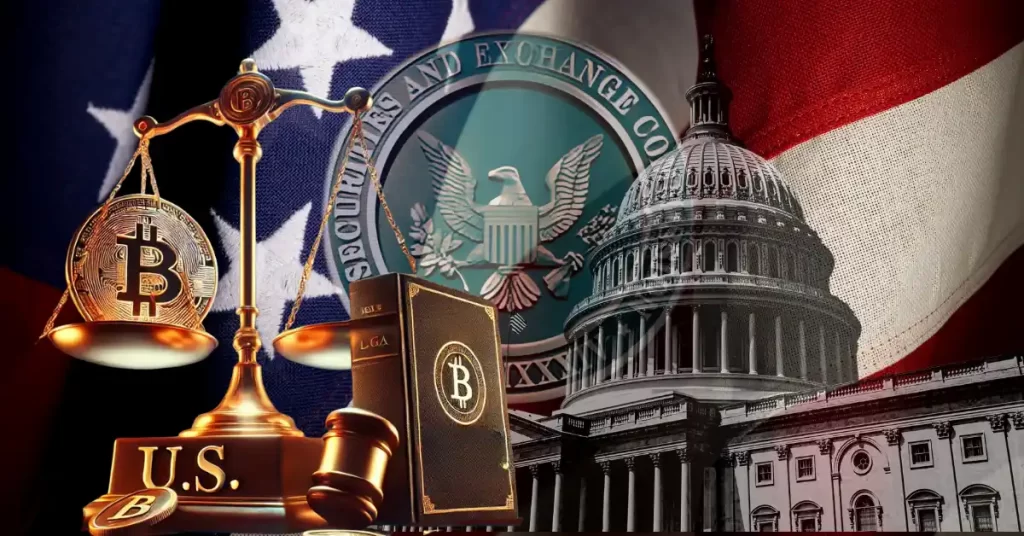 US SEC and CFTC Sign MoU to Coordinate Crypto Regulation and...
 Kraken Announces Pi Network Listing Ahead of Pi Day PI Price...
 UEX US Expands Its Ecosystem: A Platform Where Digital Asset...
 XRP Price Prediction: Can Bulls Push XRP Above $2 After This...
 ETH News: Why Institutions Keep Choosing Ethereum Over Other...
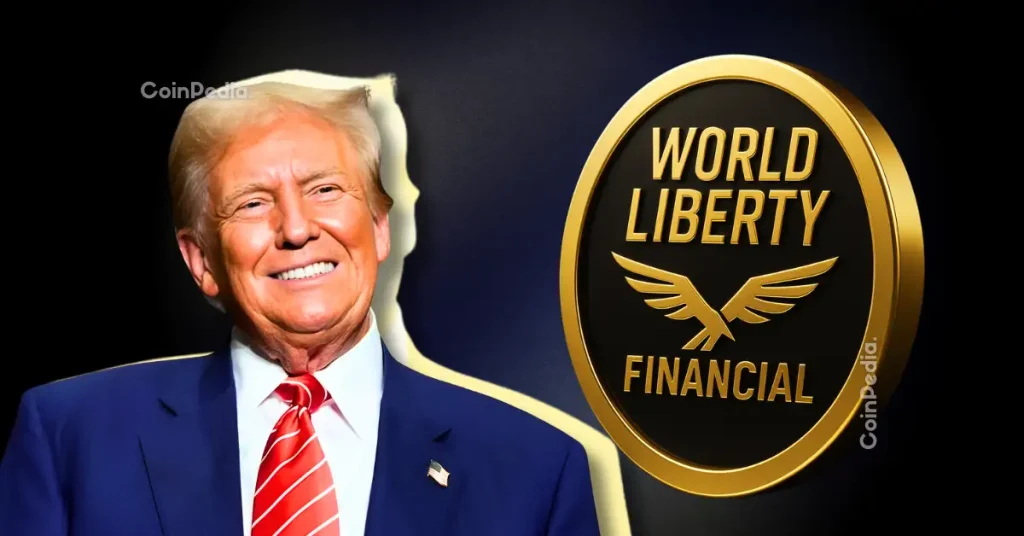 Trump-Linked WLFI Launches World Swap Forex Platform
 Thailand Approves Bitcoin for Derivatives Market, Crypto ETF...
 Coinbase CEO Brian Armstrong Sells $550M in Shares as COIN S...