BitcoinWorld GBP Resilience Faces Critical Threat from Energy Vulnerability – MUFG Analysis Reveals The British Pound’s recent period of stability faces mounting pressure as structural energy vulnerabilities threaten to undermine its hard-won resilience, according to fresh analysis from MUFG. London, March 2025 – Currency markets now closely monitor the intersection of energy security and monetary strength. GBP Resilience Confronts Energy Market Realities Market analysts observe the Pound’s performance with increasing scrutiny. Furthermore, the currency demonstrated notable stability through early 2025. However, underlying energy dependencies create significant exposure. Consequently, MUFG researchers highlight this critical vulnerability in their latest assessment. The United Kingdom’s energy profile presents complex challenges. Specifically, the nation imports approximately 40% of its total energy needs. Additionally, natural gas constitutes nearly 40% of electricity generation. Therefore, international price fluctuations directly impact domestic stability. Meanwhile, renewable expansion continues but faces integration hurdles. Structural Vulnerabilities in UK Energy Security Several factors contribute to Britain’s energy exposure. First, declining North Sea production increases import dependence. Second, limited gas storage capacity reduces buffer capabilities. Third, interconnected European markets transmit price volatility. Fourth, weather-dependent renewables require backup generation. The following table illustrates key energy indicators: Indicator Current Status Impact on GBP Gas Import Dependency 55% of supply High vulnerability Electricity Import Capacity 8.4 GW interconnectors Moderate exposure Storage Days Coverage Approximately 12 days Limited buffer Renewable Generation Share 42% of electricity Growing but variable These structural characteristics create persistent challenges. Moreover, geopolitical tensions amplify existing risks. Consequently, currency markets price in these vulnerabilities through risk premiums. MUFG’s Analytical Framework and Findings MUFG economists employ sophisticated modeling techniques. Specifically, they correlate energy metrics with currency performance. Their research identifies clear transmission mechanisms. For instance, energy price shocks typically precede currency depreciation. Additionally, balance of payments pressures emerge from import costs. The analysis reveals several concerning patterns. First, each 10% increase in wholesale gas prices correlates with 0.3% GBP depreciation. Second, storage levels below 50% capacity increase volatility expectations. Third, interconnector disruptions immediately affect market sentiment. Fourth, policy uncertainty compounds these technical factors. Historical data supports these conclusions. Notably, the 2022 energy crisis saw GBP decline 15% against the dollar. Similarly, winter 2023 supply concerns triggered sharp selloffs. Therefore, current resilience appears fragile against recurring patterns. Market Mechanisms and Transmission Channels Energy vulnerabilities affect sterling through multiple pathways. Primarily, trade balance deterioration pressures the currency. Specifically, higher import bills widen current account deficits. Subsequently, foreign investors demand higher risk compensation. Meanwhile, inflation expectations influence interest rate projections. The Bank of England faces complex policy trade-offs. On one hand, energy-driven inflation requires monetary response. On the other hand, economic fragility limits tightening capacity. Consequently, policy uncertainty increases market volatility. Furthermore, investor confidence becomes increasingly sensitive to energy developments. Several transmission channels operate simultaneously: Trade Channel: Energy imports directly affect balance of payments Inflation Channel: Energy costs feed into consumer price indices Confidence Channel: Security concerns influence investment decisions Policy Channel: Government responses affect economic outlook These interconnected mechanisms create amplification effects. Additionally, feedback loops between channels accelerate adjustments. Therefore, isolated energy incidents can trigger disproportionate currency responses. Comparative Analysis with Major Currencies Britain’s energy position differs significantly from peers. For example, the United States achieves energy independence through shale production. Similarly, Norway maintains substantial hydrocarbon exports. Meanwhile, France relies on nuclear power for energy security. These structural differences create relative advantages. Specifically, the US dollar benefits from domestic energy abundance. Consequently, it often strengthens during global energy crises. Conversely, the euro demonstrates mixed performance across member states. However, collective EU mechanisms provide some insulation. The Pound occupies a middle position in this spectrum. It lacks both US-style independence and EU-scale coordination. Therefore, it remains particularly exposed to international market dynamics. This exposure manifests in heightened volatility during supply disruptions. Policy Responses and Mitigation Strategies UK authorities recognize these vulnerabilities and pursue multiple initiatives. The Energy Security Strategy outlines comprehensive measures. Investment in renewable generation accelerates significantly. Additionally, nuclear power projects receive renewed emphasis. Meanwhile, energy efficiency programs target demand reduction. Market mechanisms also undergo reform. Capacity market auctions ensure reliable supply. Furthermore, interconnection projects enhance European integration. Storage facilities receive regulatory support for expansion. However, implementation timelines extend several years. Short-term measures include strategic reserves and price controls. These interventions provide temporary relief. Nevertheless, they cannot address structural dependencies. Consequently, currency markets discount their long-term effectiveness. Market participants instead focus on fundamental supply-demand balances. Conclusion The British Pound’s resilience faces genuine threats from energy vulnerabilities. MUFG analysis clearly identifies transmission mechanisms and risk factors. Structural dependencies create persistent exposure to international markets. Therefore, sustained GBP strength requires addressing these fundamental challenges. Energy security and currency stability remain inextricably linked for the UK economy. FAQs Q1: How does energy vulnerability specifically affect the British Pound? Energy vulnerability affects GBP through multiple channels: higher import costs worsen the trade balance, energy-driven inflation influences Bank of England policy, and security concerns reduce investor confidence, all contributing to currency pressure. Q2: What percentage of UK energy is imported? The United Kingdom currently imports approximately 40% of its total energy needs, with natural gas import dependency around 55% of supply, creating significant exposure to international price fluctuations. Q3: How does MUFG measure the relationship between energy prices and GBP? MUFG economists use correlation analysis showing each 10% increase in wholesale gas prices typically correlates with 0.3% GBP depreciation, with stronger effects during supply disruptions or storage shortages. Q4: What makes the UK particularly vulnerable compared to other economies? The UK occupies a middle position between energy-independent nations like the US and coordinated blocs like the EU, lacking both domestic abundance and collective mechanisms, while having limited storage capacity and high import dependence. Q5: What policy measures could strengthen GBP against energy risks? Key measures include accelerating renewable deployment, expanding nuclear capacity, increasing storage infrastructure, enhancing European interconnections, and improving energy efficiency to reduce overall import dependency. This post GBP Resilience Faces Critical Threat from Energy Vulnerability – MUFG Analysis Reveals first appeared on BitcoinWorld .

 US SEC and CFTC Sign MoU to Coordinate Crypto Regulation and...
 Kraken Announces Pi Network Listing Ahead of Pi Day PI Price...
 UEX US Expands Its Ecosystem: A Platform Where Digital Asset...
 XRP Price Prediction: Can Bulls Push XRP Above $2 After This...
 ETH News: Why Institutions Keep Choosing Ethereum Over Other...
 Trump-Linked WLFI Launches World Swap Forex Platform
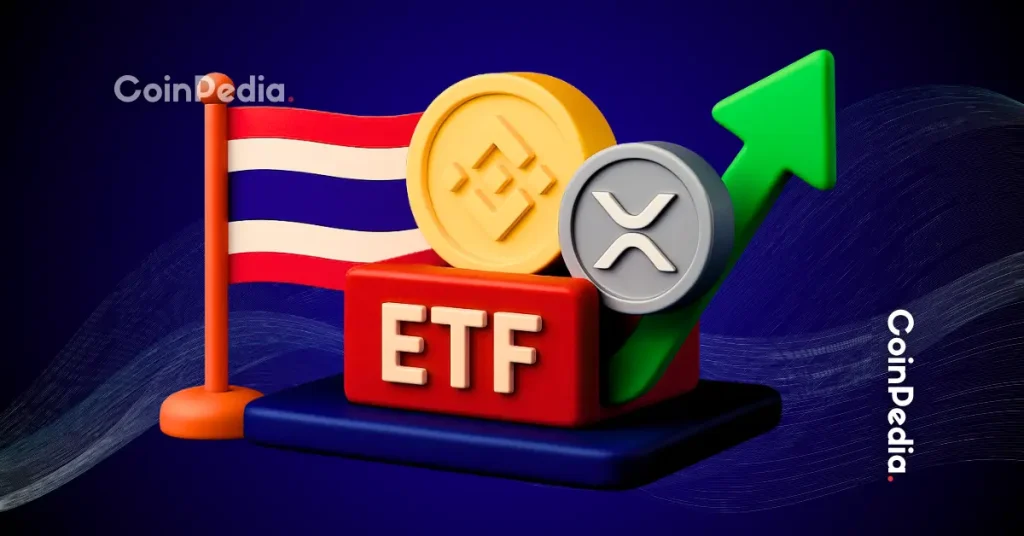 Thailand Approves Bitcoin for Derivatives Market, Crypto ETF...
 Coinbase CEO Brian Armstrong Sells $550M in Shares as COIN S...