BitcoinWorld Oil Markets Face Deep Summer Deficits Even with a Hormuz Deal: TD Securities TD Securities has issued a stark warning to energy markets: the world is heading for deep crude oil supply deficits this summer, and a potential diplomatic resolution in the Strait of Hormuz may not be enough to prevent them. The analysis suggests that even if tensions ease and Iranian oil flows more freely, structural supply constraints will keep the market tight through the peak demand season. The Supply-Demand Imbalance Deepens According to TD Securities’ commodity strategists, the fundamental drivers of the deficit are already locked in. OPEC+ production cuts, combined with robust global demand—particularly from Asia and the United States—are drawing down commercial inventories at a pace faster than seasonal norms. The bank’s models indicate that the deficit could exceed 1.5 million barrels per day by July, even under a scenario where Iranian exports increase by 500,000 bpd following a negotiated framework. “The market is pricing in a relatively benign outcome for Hormuz, but the structural deficit is much deeper than many realize,” the note states. “A deal would provide temporary relief, but it would not solve the underlying imbalance.” Geopolitical Risk Premium Remains The Strait of Hormuz remains a critical chokepoint, through which roughly 20% of the world’s oil passes. While diplomatic channels between the U.S. and Iran have shown signs of activity, any agreement remains fragile and implementation timelines are uncertain. TD Securities argues that the risk premium embedded in crude prices will persist until there is verifiable evidence of increased supply hitting the market. Even in the event of a successful deal, the time required to ramp up production, secure tanker insurance, and re-establish trading relationships means that meaningful volumes may not arrive until late Q3 or Q4—well after the summer demand peak has passed. Implications for Refiners and Consumers The deficit scenario has direct consequences for downstream markets. Refiners, particularly in Europe and Asia, may face higher feedstock costs and thinner margins. For consumers, the analysis points to sustained upward pressure on gasoline and diesel prices through the summer driving season, potentially feeding into broader inflationary trends. Central banks and policymakers are already monitoring energy costs closely. A prolonged period of elevated crude prices could complicate monetary policy decisions, especially if it filters through to core inflation measures. OPEC+ Strategy Under Scrutiny The warning from TD Securities also puts OPEC+ strategy back in the spotlight. The alliance has maintained a cautious approach to unwinding production cuts, prioritizing price stability over market share. However, if deficits deepen as forecast, the group may face mounting pressure from consuming nations to accelerate supply additions. The next OPEC+ meeting will be closely watched for any shift in rhetoric or output targets. Conclusion TD Securities’ analysis underscores a critical reality for energy markets: the summer of 2025 is shaping up to be one of the tightest supply environments in recent memory. While a Hormuz deal could ease geopolitical tensions, it is unlikely to bridge the gap between supply and demand. Investors, traders, and policymakers should prepare for a volatile few months ahead, with the risk of price spikes remaining elevated. FAQs Q1: What did TD Securities say about the oil market this summer? TD Securities warned that global oil markets face deep supply deficits this summer, even if a diplomatic deal is reached regarding the Strait of Hormuz. The deficit is driven by OPEC+ production cuts and strong demand. Q2: How would a Hormuz deal affect oil supply? A deal could allow for increased Iranian oil exports, but TD Securities notes that any additional supply would likely arrive too late to offset the summer demand peak, and the volume would be insufficient to close the structural deficit. Q3: What does this mean for gasoline prices? If the deficit materializes as forecast, consumers can expect sustained upward pressure on gasoline and diesel prices through the summer, which could also contribute to broader inflationary pressures. This post Oil Markets Face Deep Summer Deficits Even with a Hormuz Deal: TD Securities first appeared on BitcoinWorld .

 US SEC and CFTC Sign MoU to Coordinate Crypto Regulation and...
 Kraken Announces Pi Network Listing Ahead of Pi Day PI Price...
 UEX US Expands Its Ecosystem: A Platform Where Digital Asset...
 XRP Price Prediction: Can Bulls Push XRP Above $2 After This...
 ETH News: Why Institutions Keep Choosing Ethereum Over Other...
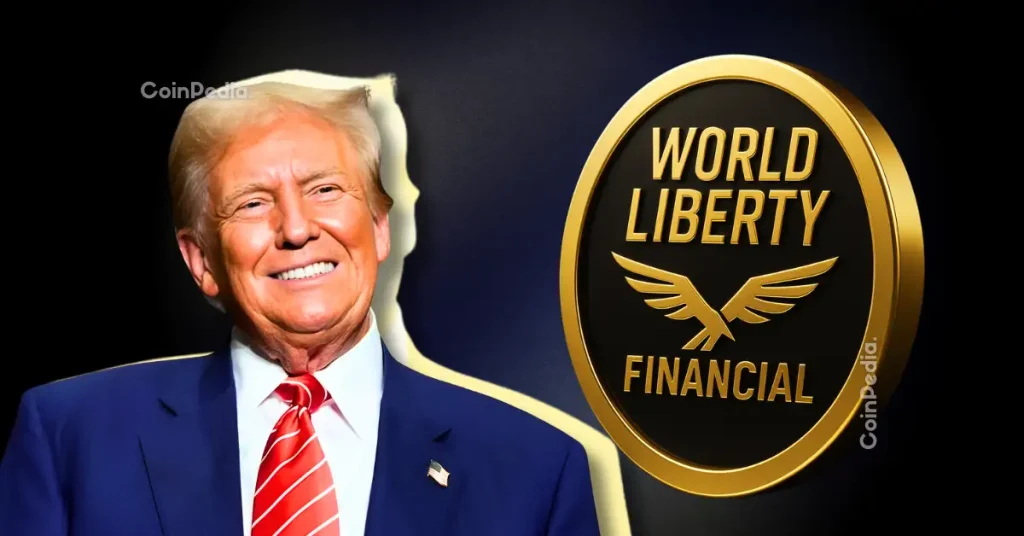 Trump-Linked WLFI Launches World Swap Forex Platform
 Thailand Approves Bitcoin for Derivatives Market, Crypto ETF...
 Coinbase CEO Brian Armstrong Sells $550M in Shares as COIN S...