BitcoinWorld Robinhood, MetaMask, and Solana Back New On-Chain Finance Standard to Break Crypto Silos Major financial platforms including Robinhood, MetaMask, and eToro have joined the Fireblocks-led Open Transaction Layer (OTL) project, a consortium aimed at creating a unified standard for on-chain financial infrastructure. The initiative, first reported by Financefeeds, seeks to solve a persistent problem in digital asset markets: the fragmentation of systems that forces institutions to build costly, bespoke integrations to interact with one another. What is the Open Transaction Layer? OTL is described as an integrated standard layer designed to overcome the ‘silo’ effect, where on-chain financial infrastructure operates in isolation across different institutions. The protocol will standardize three critical functions: identity verification, regulatory compliance checks, and transaction messaging. By creating a common language for these operations, OTL aims to enable institutions, individual wallets, and even AI agents to interact securely without needing complex, custom-built connections. The consortium currently includes a diverse set of payment and trading platforms such as MoonPay and SoFi, alongside major blockchain foundations like Solana, Stellar, and Polygon. The inclusion of Solana is particularly notable given its focus on high-speed, low-cost transactions, which could benefit from standardized compliance layers for broader institutional adoption. Why This Matters for Crypto Adoption The ‘silo problem’ has been a significant barrier to mainstream financial integration with blockchain technology. Each platform often develops its own compliance, identity, and messaging systems, making cross-platform transactions cumbersome and expensive. A standardized layer like OTL could reduce friction, lower costs, and improve security by providing a shared, auditable framework. For retail users, this could eventually mean smoother experiences when moving assets between platforms like Robinhood and MetaMask, or when interacting with decentralized applications that require identity verification. For institutions, it offers a pathway to comply with regulations like Anti-Money Laundering (AML) and Know Your Customer (KYC) without sacrificing the benefits of decentralized finance. Industry Implications and Next Steps The involvement of Fireblocks, a leading digital asset custody and settlement provider, adds credibility to the initiative. Fireblocks already secures over $6 trillion in digital asset transfers, giving the OTL project a strong foundation in security and enterprise-grade infrastructure. The addition of major consumer platforms like Robinhood and eToro signals that the standard is designed to bridge the gap between traditional finance and crypto-native applications. While the project is still in its early stages, the formation of such a broad consortium suggests growing industry consensus that interoperability standards are necessary for the next phase of growth. The coming months will likely see technical specifications and pilot implementations as the group works toward a production-ready protocol. Conclusion The Open Transaction Layer represents a pragmatic step toward making on-chain finance more accessible and compliant. By bringing together consumer platforms, infrastructure providers, and blockchain foundations, the initiative aims to reduce fragmentation and build the plumbing needed for mainstream adoption. For now, the market will watch for concrete technical releases and integration timelines from the consortium members. FAQs Q1: What is the Open Transaction Layer (OTL)? OTL is a standard protocol led by Fireblocks that aims to unify identity verification, compliance checks, and transaction messaging across different on-chain financial platforms, allowing them to interact without custom integrations. Q2: Which major companies have joined the OTL consortium? Members include Robinhood, MetaMask, eToro, MoonPay, SoFi, and blockchain foundations such as Solana, Stellar, and Polygon. Q3: How does OTL benefit regular crypto users? By standardizing compliance and identity processes, OTL could enable smoother and more secure transactions between different platforms, reducing the complexity and cost of moving assets across the ecosystem. This post Robinhood, MetaMask, and Solana Back New On-Chain Finance Standard to Break Crypto Silos first appeared on BitcoinWorld .

 US SEC and CFTC Sign MoU to Coordinate Crypto Regulation and...
 Kraken Announces Pi Network Listing Ahead of Pi Day PI Price...
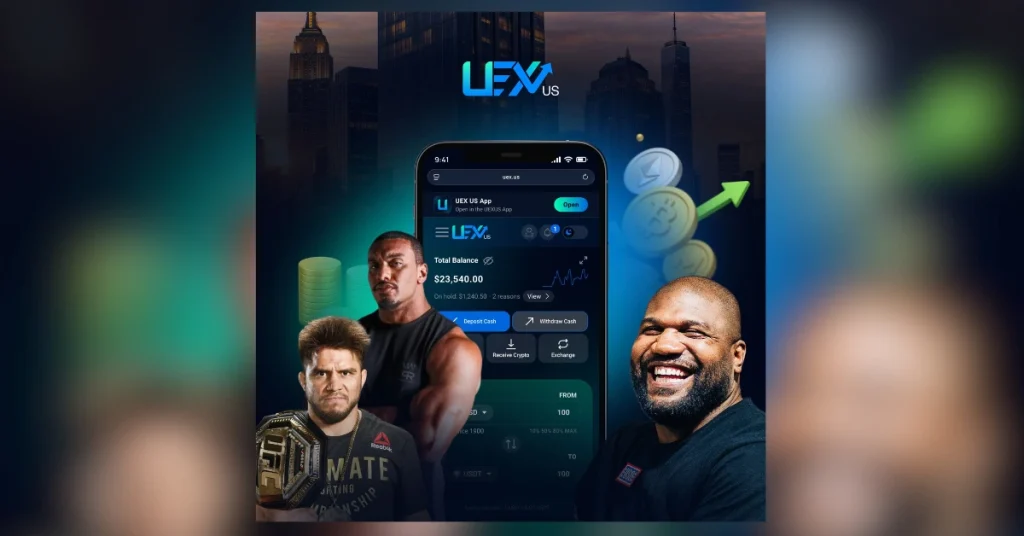 UEX US Expands Its Ecosystem: A Platform Where Digital Asset...
 XRP Price Prediction: Can Bulls Push XRP Above $2 After This...
 ETH News: Why Institutions Keep Choosing Ethereum Over Other...
 Trump-Linked WLFI Launches World Swap Forex Platform
 Thailand Approves Bitcoin for Derivatives Market, Crypto ETF...
 Coinbase CEO Brian Armstrong Sells $550M in Shares as COIN S...