BitcoinWorld Bithumb Places Gnosis (GNO) on Delisting Watchlist Citing Abnormal Asset Outflow South Korean cryptocurrency exchange Bithumb has placed Gnosis (GNO) on its delisting watchlist, citing an abnormal asset outflow and damage to the project’s protocol. The exchange announced the decision on March 5, 2025, triggering a sharp price drop for the token and raising concerns among holders. Reasons for the Delisting Review According to Bithumb’s official notice, the delisting review was triggered after the exchange confirmed an abnormal outflow of assets from Gnosis-related wallets. The exchange also reported protocol damage affecting the distributed ledger where GNO is issued, transmitted, and stored. Such findings are considered serious under Bithumb’s internal review criteria, which include security vulnerabilities, network instability, and failure to meet listing standards. Bithumb has not disclosed the exact nature of the abnormal outflow or the specific protocol damage. However, the exchange stated that it is conducting a thorough investigation and will make a final decision within a review period that typically lasts up to 30 days. During this time, trading support for GNO may be suspended or restricted. Implications for Gnosis and GNO Holders Gnosis is a well-known blockchain project focused on decentralized prediction markets and infrastructure for Ethereum. The GNO token has a significant market presence, and a delisting from Bithumb—one of South Korea’s largest exchanges—could have far-reaching consequences. Market Impact and Trading Risks Following the announcement, the price of GNO dropped approximately 12% within hours. South Korean exchanges often serve as key liquidity hubs for altcoins, and a delisting can reduce trading volume and accessibility. Investors holding GNO on Bithumb should monitor the situation closely, as a full delisting would require them to withdraw tokens to a private wallet or transfer to another exchange that still supports GNO. This event also highlights the growing scrutiny exchanges place on asset security and protocol integrity. For Gnosis, the incident may prompt a formal response or technical audit to address Bithumb’s concerns and restore confidence. Broader Context: Exchange Delisting Trends Bithumb’s move is part of a broader trend among major cryptocurrency exchanges to tighten listing and delisting standards. In recent months, several exchanges have increased the frequency of delistings for projects that fail to meet security, transparency, or operational benchmarks. This shift reflects growing regulatory pressure and a focus on protecting retail investors from risky or compromised assets. South Korea’s financial authorities have also been active in enforcing stricter rules for virtual asset service providers, including mandatory reporting of security incidents and asset protection measures. Bithumb’s decision to place GNO on the watchlist may be influenced by these regulatory developments. Conclusion Bithumb’s decision to place Gnosis (GNO) on its delisting watchlist is a significant development for the project and its investors. The exchange’s confirmation of abnormal asset outflow and protocol damage raises serious questions about the security of the Gnosis network. GNO holders should prepare for potential trading restrictions and consider their options. The final delisting decision is expected within the next month, and the outcome could set a precedent for how exchanges handle similar security incidents in the future. FAQs Q1: What does it mean when Bithumb places a token on its delisting watchlist? It means the exchange has identified potential issues that could lead to a full delisting. During the review period, trading may be restricted, and investors should prepare for the possibility of the token being removed from the platform. Q2: How long does the delisting review process take? Bithumb typically completes its review within 30 days. During this time, the exchange may suspend deposits and withdrawals for the affected token. Q3: What should GNO holders do if the token is delisted? If GNO is fully delisted, holders must withdraw their tokens to a private wallet or transfer them to another exchange that still supports GNO. It is advisable to move assets off the exchange before the delisting takes effect to avoid any access issues. This post Bithumb Places Gnosis (GNO) on Delisting Watchlist Citing Abnormal Asset Outflow first appeared on BitcoinWorld .

 US SEC and CFTC Sign MoU to Coordinate Crypto Regulation and...
 Kraken Announces Pi Network Listing Ahead of Pi Day PI Price...
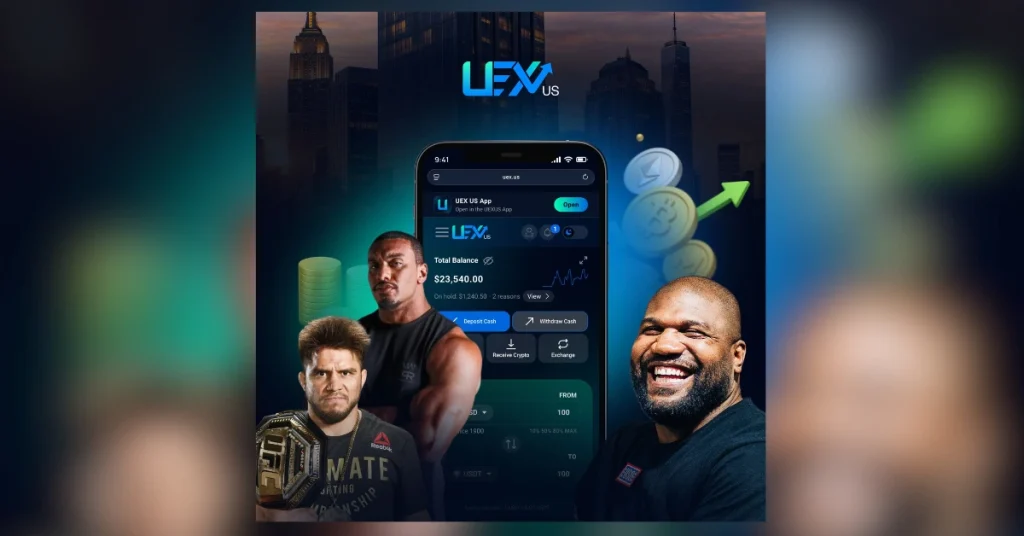 UEX US Expands Its Ecosystem: A Platform Where Digital Asset...
 XRP Price Prediction: Can Bulls Push XRP Above $2 After This...
 ETH News: Why Institutions Keep Choosing Ethereum Over Other...
 Trump-Linked WLFI Launches World Swap Forex Platform
 Thailand Approves Bitcoin for Derivatives Market, Crypto ETF...
 Coinbase CEO Brian Armstrong Sells $550M in Shares as COIN S...