BitcoinWorld Trump signs narrower executive order on AI oversight after industry objections President Donald Trump signed a revised executive order on Tuesday that establishes a voluntary framework for government review of powerful AI models before their public release, following significant pushback from technology industry leaders. Key provisions of the order The executive order asks AI companies to voluntarily submit new models to the government for testing or evaluation 30 days before releasing them to the public. This represents a significant reduction from an earlier draft that proposed a 90-day advance review period. Industry insiders had advocated for a window closer to two weeks, arguing that longer delays could stifle innovation and competitiveness. The order explicitly states that it does not create any mandatory licensing, preclearance, or permitting requirements for AI development. The language was carefully crafted to address industry concerns about overregulation while still providing government oversight capabilities. Industry reaction and political context Trump had initially planned to sign the more demanding version of the order in late May with several top Silicon Valley CEOs in attendance. However, the signing was delayed after strong objections from industry figures, including venture capitalist and former White House AI czar David Sacks. The president publicly stated at the time that he did not want to hinder American AI companies in their competition against China. The final version was signed privately, without the previously planned high-profile ceremony. This shift underscores the administration’s delicate balancing act between addressing national security concerns about advanced AI capabilities and maintaining the United States’ competitive edge in the global AI race. Broader implications for AI governance This executive order is not Trump’s first action on AI regulation. In December 2025, he signed an order directing the development of a national AI policy framework, often described as a ‘one rulebook,’ intended to preempt a patchwork of state-level AI laws. The current order adds a layer of federal oversight specifically focused on frontier AI models, which are the most advanced and potentially most risky systems. Beyond the voluntary review process, the order directs the Department of Justice to prioritize enforcement against AI-assisted crimes, including hacking and unauthorized access to systems. This dual approach — encouraging voluntary cooperation while strengthening enforcement — reflects a nuanced strategy that acknowledges both the potential benefits and risks of rapidly advancing AI technology. What this means for the AI industry The voluntary nature of the review process gives companies flexibility while establishing a cooperative relationship with government agencies. However, the 30-day window still represents a meaningful timeline for evaluation, and companies that choose not to participate may face increased scrutiny or public pressure. The order’s careful language suggests that the administration is attempting to create norms and expectations without triggering legal challenges or industry backlash. For consumers and businesses that rely on AI tools, the order signals that the government is paying close attention to the technology’s development, though without imposing immediate restrictions on innovation. The focus on AI-assisted crime enforcement also highlights growing concerns about the misuse of these technologies in cyberattacks and data breaches. Conclusion The narrower executive order represents a compromise between the administration’s desire for oversight and the AI industry’s insistence on maintaining rapid development cycles. By opting for voluntary review rather than mandatory licensing, Trump has preserved the cooperative relationship with Silicon Valley while establishing a framework that could evolve as the technology matures. The order’s impact will depend largely on how many companies choose to participate voluntarily and how effectively the government conducts its evaluations within the 30-day window. FAQs Q1: Does this executive order require AI companies to get government approval before releasing new models? No. The order is entirely voluntary. Companies are asked to submit their models for government review 30 days before release, but there is no mandatory licensing or preclearance requirement. Q2: Why was the original 90-day review period reduced to 30 days? Industry leaders and venture capitalists, including former White House AI czar David Sacks, argued that a 90-day review could slow innovation and hurt American competitiveness against China. The administration revised the order in response to these concerns. Q3: What other AI policies has the Trump administration implemented? In December 2025, Trump signed an executive order directing the creation of a national AI policy framework designed to preempt state-level AI laws. The current order adds a voluntary federal review process for frontier AI models and directs the Department of Justice to prioritize enforcement against AI-assisted crimes. This post Trump signs narrower executive order on AI oversight after industry objections first appeared on BitcoinWorld .

 US SEC and CFTC Sign MoU to Coordinate Crypto Regulation and...
 Kraken Announces Pi Network Listing Ahead of Pi Day PI Price...
 UEX US Expands Its Ecosystem: A Platform Where Digital Asset...
 XRP Price Prediction: Can Bulls Push XRP Above $2 After This...
 ETH News: Why Institutions Keep Choosing Ethereum Over Other...
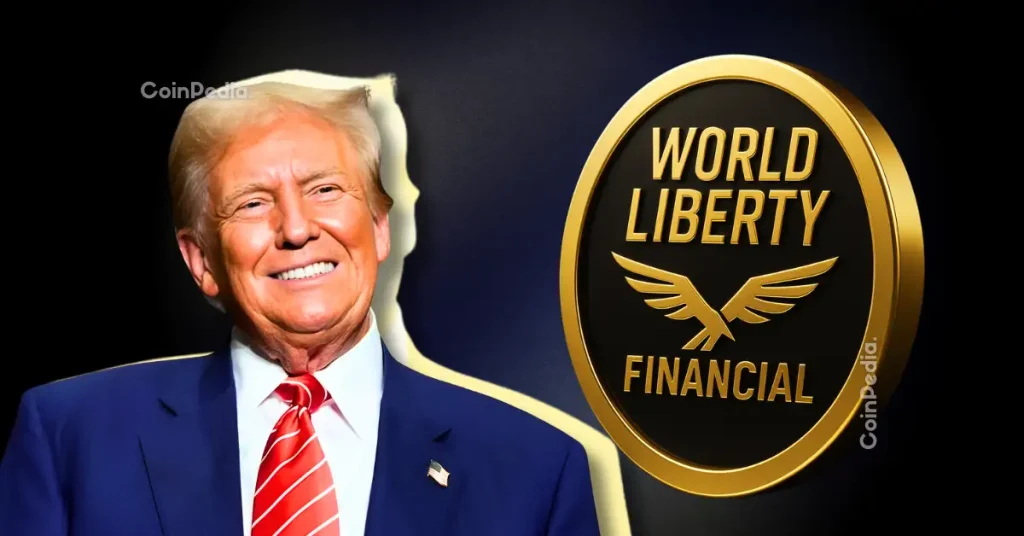 Trump-Linked WLFI Launches World Swap Forex Platform
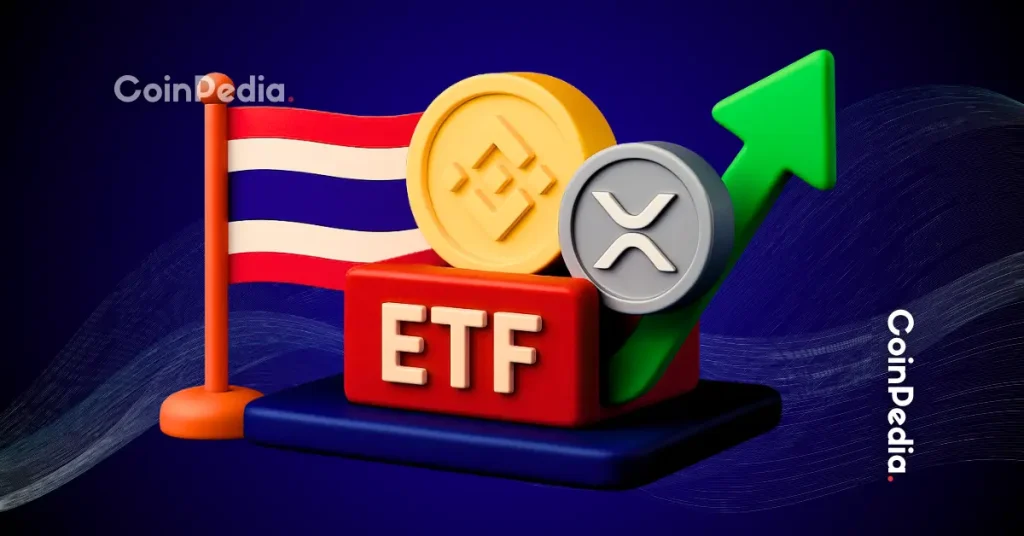 Thailand Approves Bitcoin for Derivatives Market, Crypto ETF...
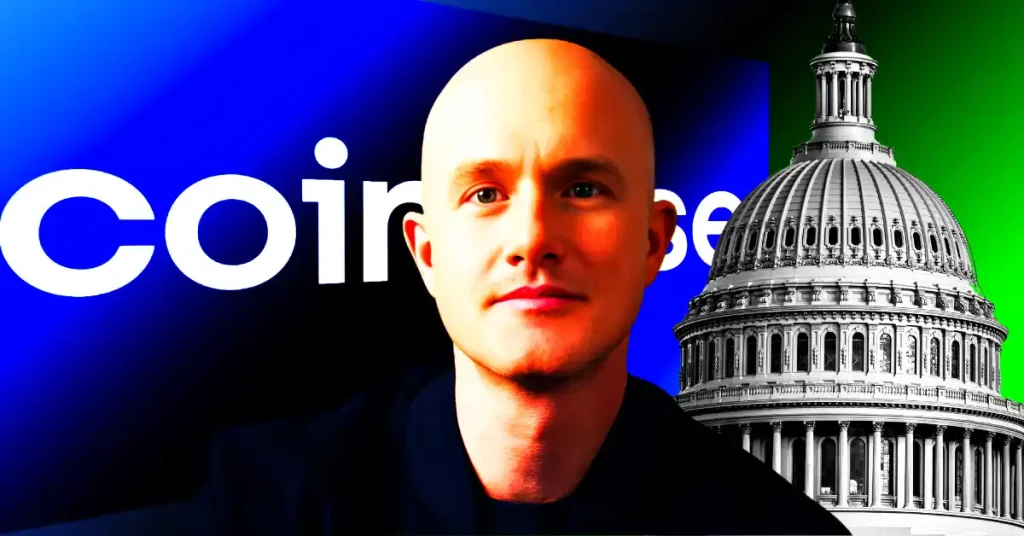 Coinbase CEO Brian Armstrong Sells $550M in Shares as COIN S...