BitcoinWorld Indian rupee opens lower as renewed US-Iran tensions push oil prices higher The Indian rupee opened on a weaker note against the US dollar on Wednesday, as escalating geopolitical tensions between the United States and Iran drove global crude oil prices higher. The domestic currency opened at 83.12 per dollar, compared with the previous close of 82.95, reflecting immediate market anxiety over potential supply disruptions from the Middle East. Renewed US-Iran tensions rattle energy markets The latest flare-up follows fresh US sanctions on Iranian oil exports and retaliatory threats from Tehran regarding shipping routes in the Strait of Hormuz. Brent crude futures surged past $86 per barrel in early Asian trading, marking a three-week high. For India, which imports over 85% of its crude oil requirements, any sustained rise in oil prices directly widens the current account deficit and puts downward pressure on the rupee. Forex traders noted that state-run banks were seen intervening on behalf of the Reserve Bank of India (RBI) to prevent excessive volatility, but the overall sentiment remained tilted toward the dollar. The dollar index also held firm near 104.5, adding to the rupee’s woes. What this means for the Indian economy A weaker rupee makes imported goods more expensive, particularly crude oil, which feeds into higher transportation and manufacturing costs. This can stoke inflationary pressures at a time when the RBI is already cautious about food price spikes. Analysts at Kotak Mahindra Bank said in a note that every $10 rise in crude oil prices can add roughly 30-40 basis points to India’s retail inflation and worsen the fiscal deficit by around 0.1% of GDP. Broader market impact Equity markets also felt the heat, with the BSE Sensex slipping over 200 points in early trade. Sectors such as aviation, paints, and FMCG — which are heavily dependent on crude derivatives — were among the top losers. However, oil marketing companies saw some buying interest on expectations of higher margins if global prices remain elevated. The rupee’s trajectory in the coming sessions will largely depend on diplomatic developments between Washington and Tehran, as well as any fresh signals from the RBI’s monetary policy stance. The central bank is widely expected to hold interest rates steady at its next review, but may use forex reserves to cushion sharp currency swings. Conclusion The rupee’s decline reflects the immediate market response to a geopolitical risk that threatens to raise India’s import bill and complicate inflation management. While the RBI has sufficient reserves to manage volatility, a prolonged spike in oil prices could test the resilience of the currency and the broader economy. Traders and policymakers alike will be watching the situation closely. FAQs Q1: Why does the rupee fall when oil prices rise? India imports most of its crude oil, so higher oil prices increase the country’s import bill. This means more dollars are needed to buy the same amount of oil, which raises demand for the US dollar and weakens the rupee. Q2: How does the RBI respond to a falling rupee? The RBI can sell US dollars from its forex reserves in the open market to increase dollar supply and support the rupee. It can also raise interest rates to attract foreign capital, though that can slow economic growth. Q3: What are the implications for consumers? A weaker rupee and higher oil prices can lead to costlier petrol, diesel, and LPG. It also raises prices of goods that depend on crude derivatives, such as plastics, paints, and packaged foods, potentially adding to household inflation. This post Indian rupee opens lower as renewed US-Iran tensions push oil prices higher first appeared on BitcoinWorld .

 US SEC and CFTC Sign MoU to Coordinate Crypto Regulation and...
 Kraken Announces Pi Network Listing Ahead of Pi Day PI Price...
 UEX US Expands Its Ecosystem: A Platform Where Digital Asset...
 XRP Price Prediction: Can Bulls Push XRP Above $2 After This...
 ETH News: Why Institutions Keep Choosing Ethereum Over Other...
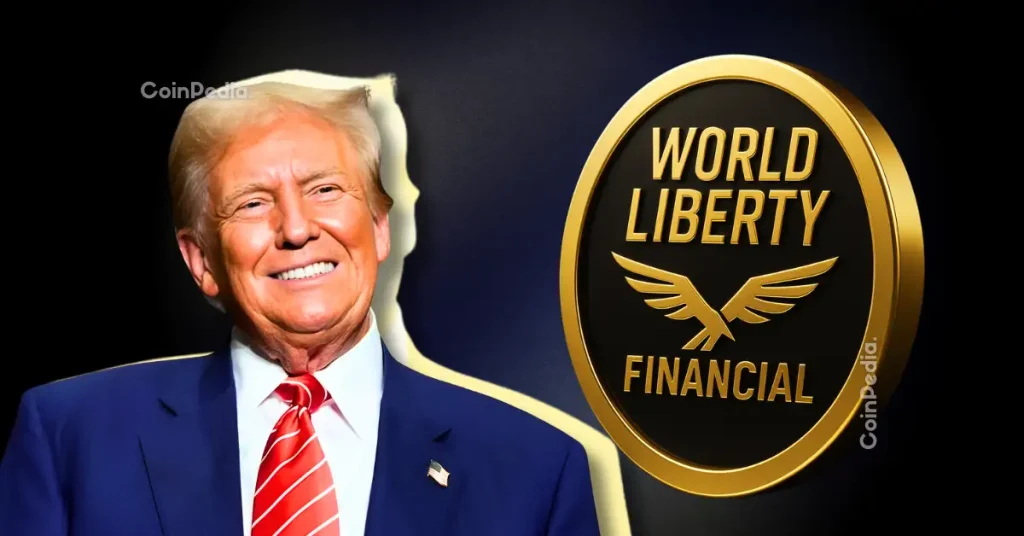 Trump-Linked WLFI Launches World Swap Forex Platform
 Thailand Approves Bitcoin for Derivatives Market, Crypto ETF...
 Coinbase CEO Brian Armstrong Sells $550M in Shares as COIN S...