BitcoinWorld Bank of England Faces July Risk as Energy Flows Remain Fragile: ING Analysts at ING have flagged a heightened risk for the Bank of England (BoE) in July, warning that persistently fragile energy flows into the UK could complicate the central bank’s monetary policy decisions. The warning comes as the BoE continues to balance inflation control against a slowing economy. Energy Fragility and Monetary Policy ING’s analysis points to ongoing vulnerabilities in the UK’s energy supply chain, which remain exposed to geopolitical tensions and infrastructure constraints. According to the bank’s economists, any disruption to energy imports—particularly natural gas and electricity interconnectors—could reignite inflationary pressures, forcing the BoE to maintain or even raise interest rates longer than markets currently anticipate. The report emphasizes that the UK’s reliance on imported liquefied natural gas (LNG) and power links with continental Europe leaves it susceptible to price spikes. A cold snap or supply outage in the second quarter could have cascading effects on consumer prices and business costs, complicating the BoE’s rate-setting meeting in July. Market Implications and Rate Expectations Financial markets have been pricing in a potential rate cut by the BoE later this year, but ING’s analysis suggests that scenario may be premature. The firm notes that while headline inflation has moderated, core services inflation and wage growth remain sticky. An energy shock could reverse recent progress, forcing the Monetary Policy Committee (MPC) to hold rates steady or even hike again. ING’s economists also highlight that the BoE’s forward guidance has been deliberately cautious, with Governor Andrew Bailey repeatedly stressing the need for sustained evidence that inflation is under control. The fragile energy backdrop adds another layer of uncertainty to that assessment. What This Means for Businesses and Households For UK businesses, particularly in manufacturing and energy-intensive sectors, the risk of prolonged high rates means continued pressure on borrowing costs and investment decisions. Households, meanwhile, face the prospect of elevated energy bills for longer, which could dampen consumer spending and economic growth. The broader European energy market remains volatile, with storage levels and LNG supply competing with Asian demand. Any deterioration in that balance would directly affect UK energy prices, given the country’s limited domestic storage capacity. Conclusion ING’s July risk assessment serves as a reminder that the BoE’s path to rate normalization is far from assured. Energy flows remain a critical variable, and the central bank’s next moves will depend heavily on external supply conditions. Policymakers and market participants alike should prepare for continued uncertainty as summer approaches. FAQs Q1: Why does ING see a particular risk in July for the Bank of England? ING points to the combination of fragile energy supply chains and the BoE’s July monetary policy meeting. Any energy disruption in the preceding months could force the central bank to keep rates higher for longer. Q2: How could energy flows affect UK inflation? Higher energy import costs directly raise consumer bills and business operating expenses. This can push up headline inflation and core services inflation, complicating the BoE’s efforts to bring inflation back to its 2% target. Q3: Is a rate cut still possible this year? While markets have priced in a potential cut, ING’s analysis suggests that the fragile energy backdrop makes that outcome uncertain. The BoE is likely to remain cautious until there is clear evidence that inflation is sustainably under control. This post Bank of England Faces July Risk as Energy Flows Remain Fragile: ING first appeared on BitcoinWorld .

 US SEC and CFTC Sign MoU to Coordinate Crypto Regulation and...
 Kraken Announces Pi Network Listing Ahead of Pi Day PI Price...
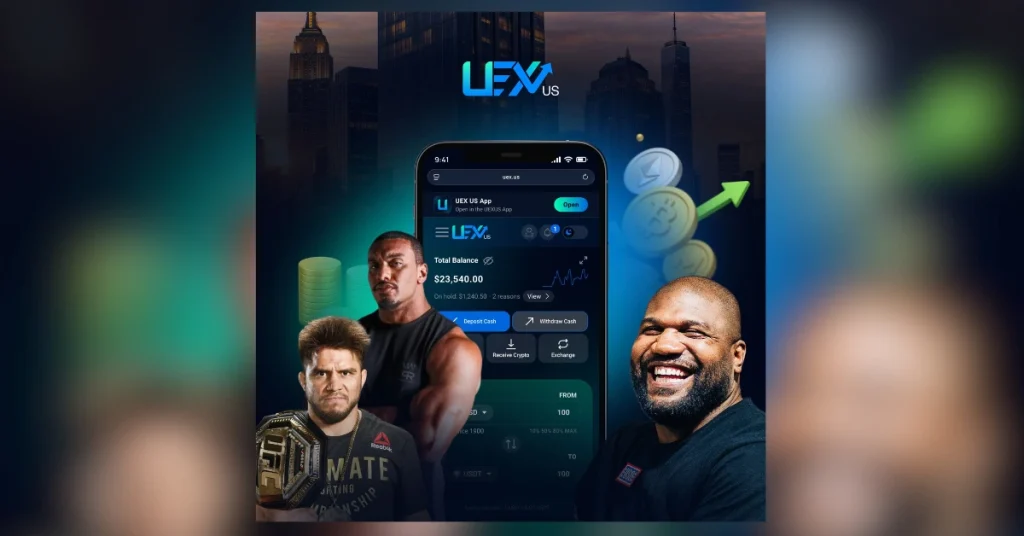 UEX US Expands Its Ecosystem: A Platform Where Digital Asset...
 XRP Price Prediction: Can Bulls Push XRP Above $2 After This...
 ETH News: Why Institutions Keep Choosing Ethereum Over Other...
 Trump-Linked WLFI Launches World Swap Forex Platform
 Thailand Approves Bitcoin for Derivatives Market, Crypto ETF...
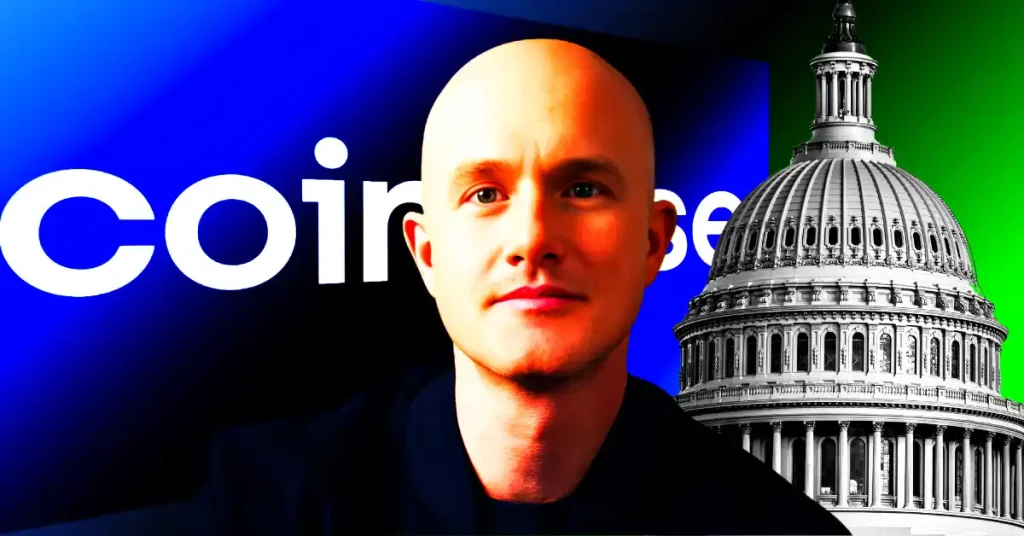 Coinbase CEO Brian Armstrong Sells $550M in Shares as COIN S...