BitcoinWorld KGEN Burns 22 Million Tokens, Plans Deflationary Buyback Model KGEN, a blockchain protocol focused on decentralized identity and reputation verification, has announced a significant token burn that will permanently remove 22 million KGEN tokens from circulation. The move, which represents approximately 10% of the token’s circulating supply, is designed to reduce market supply and signal long-term commitment to token value stability. Source of the Burned Tokens The 22 million tokens being burned consist entirely of unclaimed airdropped tokens and unsold allocations from the project’s node sale. By eliminating these tokens, KGEN aims to remove potential sell pressure that could arise from dormant or undistributed holdings entering the market. The project has confirmed that no new tokens will be minted or distributed for the foreseeable future, effectively freezing the circulating supply at its current level. Building a Deflationary Model Beyond the one-time burn, KGEN has outlined plans to implement a sustainable deflationary mechanism. The protocol intends to allocate revenue generated from future artificial intelligence (AI) smart contracts toward regular buyback and burn events. This approach would create a feedback loop where increased network usage and AI contract activity directly reduce the token supply over time. The strategy mirrors models used by other crypto projects that tie token supply reduction to protocol revenue, but KGEN’s focus on AI contracts introduces a novel variable. The project has not disclosed specific timelines or revenue projections for the AI contract initiative, leaving the pace and scale of future burns dependent on adoption and network activity. Implications for Token Holders For current KGEN holders, the burn reduces the total available supply, which in theory supports price stability if demand remains constant or grows. However, the long-term impact will depend heavily on the success of KGEN’s AI contract revenue stream. If the protocol fails to generate meaningful revenue, the deflationary model may not materialize as planned. The announcement also reinforces KGEN’s focus on its core decentralized identity and reputation use case, which competes in a growing niche alongside projects like ENS and Lit Protocol. By removing supply uncertainty and tying future burns to revenue, KGEN is attempting to differentiate itself in a crowded market. Conclusion KGEN’s token burn and deflationary roadmap represent a deliberate effort to tighten token supply and align incentives with long-term holders. The success of this strategy now hinges on the protocol’s ability to generate sustainable revenue from AI contracts, a factor that remains unproven. For now, the burn removes a known overhang of undistributed tokens, providing a clearer supply picture for the market. FAQs Q1: How many KGEN tokens are being burned? 22 million KGEN tokens, which equals about 10% of the current circulating supply. Q2: Where do the burned tokens come from? The tokens are from unclaimed airdrops and unsold node allocations that were never distributed to users. Q3: Will KGEN mint new tokens in the future? The project has stated it has no plans to distribute new tokens for the time being, eliminating additional supply pressure. This post KGEN Burns 22 Million Tokens, Plans Deflationary Buyback Model first appeared on BitcoinWorld .

 US SEC and CFTC Sign MoU to Coordinate Crypto Regulation and...
 Kraken Announces Pi Network Listing Ahead of Pi Day PI Price...
 UEX US Expands Its Ecosystem: A Platform Where Digital Asset...
 XRP Price Prediction: Can Bulls Push XRP Above $2 After This...
 ETH News: Why Institutions Keep Choosing Ethereum Over Other...
 Trump-Linked WLFI Launches World Swap Forex Platform
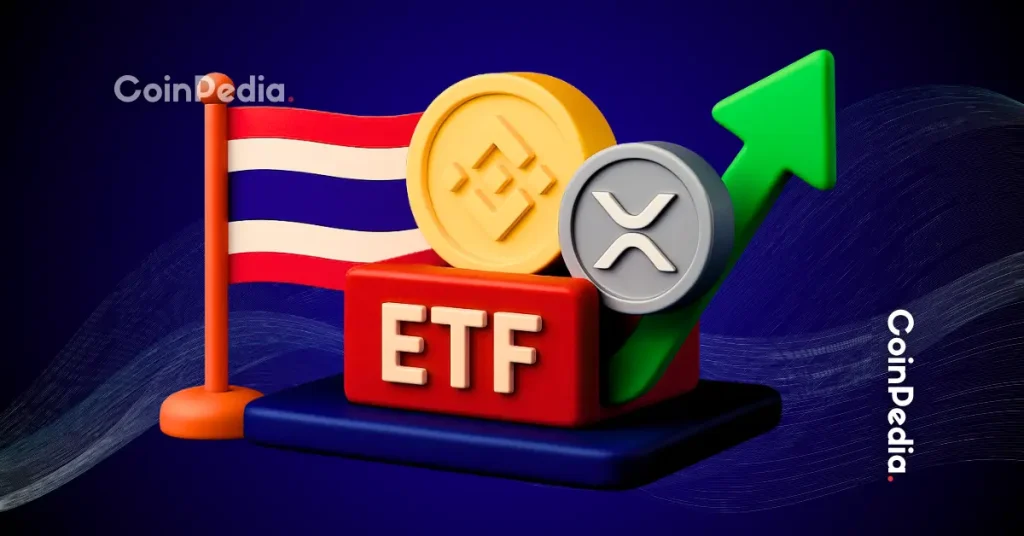 Thailand Approves Bitcoin for Derivatives Market, Crypto ETF...
 Coinbase CEO Brian Armstrong Sells $550M in Shares as COIN S...