BitcoinWorld Hard Assets Enter a New Regime: What Traders Are Watching Now Hard assets are entering a new market regime, and traders are beginning to adjust their strategies accordingly. This shift, driven by a combination of macroeconomic factors, supply constraints, and changing investor behavior, is prompting a reevaluation of traditional portfolio allocations. What Is Driving the Shift in Hard Assets? The current transition in hard assets—such as gold, oil, and industrial metals—stems from several converging forces. Central bank policies, inflationary pressures, and geopolitical tensions have all contributed to a landscape where tangible assets are gaining renewed attention. As of 2025, central banks in major economies have signaled a more cautious approach to monetary easing, which historically supports asset classes that act as inflation hedges. Supply-side disruptions, particularly in energy and metals, have also tightened markets. For instance, copper and lithium, essential for electrification, face structural supply deficits as demand for green technologies accelerates. These fundamentals are not merely cyclical; they represent a longer-term repricing of scarcity and strategic value. How Are Traders Responding? Traders are increasingly incorporating hard assets into their portfolios as a hedge against uncertainty. Data from futures markets indicate a rise in open interest for commodities like gold and silver, while options activity suggests growing bullish sentiment. Additionally, the relative underperformance of some equity sectors has led institutional investors to rotate capital into real assets. This is not a uniform shift. Some traders remain cautious, citing potential volatility from policy missteps or a slowdown in global growth. However, the overall trend is clear: hard assets are no longer seen merely as a defensive play but as a strategic component of a diversified investment approach. Implications for Individual Investors For individual investors, this regime change underscores the importance of understanding the drivers behind asset prices. Diversification into hard assets can provide a buffer against inflation and currency devaluation, but it also requires careful timing and risk management. The current environment favors those who can navigate the complexities of commodity markets, which often exhibit higher volatility than traditional equities. Moreover, the shift has broader economic implications. A sustained rise in commodity prices can feed into inflation, affecting everything from consumer goods to interest rates. Policymakers and market participants alike are watching these developments closely, as they could influence the trajectory of global monetary policy. Conclusion In summary, hard assets are undergoing a significant re-rating, driven by structural supply issues, monetary policy shifts, and investor demand for tangible value. Traders are taking notice, but the path forward remains uncertain. As always, a balanced, well-researched approach is essential for navigating any market regime. FAQs Q1: What are hard assets? Hard assets are physical or tangible investments, such as gold, oil, real estate, and industrial metals, that have intrinsic value and are often used as hedges against inflation. Q2: Why are hard assets entering a new regime? Because of a combination of factors including central bank policies, inflationary pressures, supply chain disruptions, and increased demand for strategic resources like copper and lithium. Q3: How can investors respond to this shift? Investors can consider diversifying into hard assets through direct ownership, futures, or exchange-traded funds, but should be mindful of the higher volatility and the need for thorough research. This post Hard Assets Enter a New Regime: What Traders Are Watching Now first appeared on BitcoinWorld .

 US SEC and CFTC Sign MoU to Coordinate Crypto Regulation and...
 Kraken Announces Pi Network Listing Ahead of Pi Day PI Price...
 UEX US Expands Its Ecosystem: A Platform Where Digital Asset...
 XRP Price Prediction: Can Bulls Push XRP Above $2 After This...
 ETH News: Why Institutions Keep Choosing Ethereum Over Other...
 Trump-Linked WLFI Launches World Swap Forex Platform
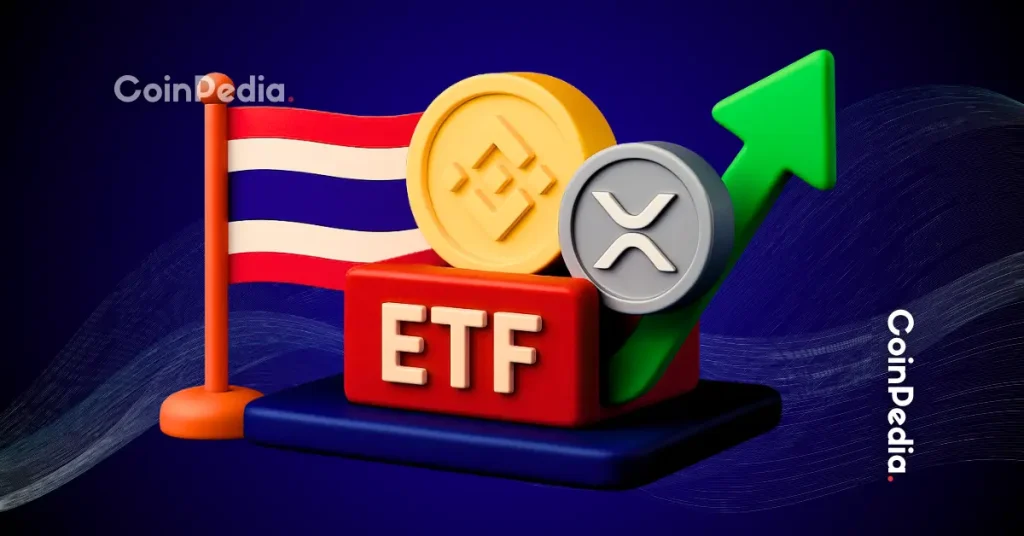 Thailand Approves Bitcoin for Derivatives Market, Crypto ETF...
 Coinbase CEO Brian Armstrong Sells $550M in Shares as COIN S...